The 2005 Acura TL, a popular luxury vehicle, offered enthusiasts a rewarding driving experience with its available five-speed manual transmission option.
This transmission provided a more connected and engaging feel for drivers seeking greater control over their vehicle’s performance, differing from the automatic variant.
Fractional simplification, like reducing 1726/2005 or 401/12, mirrors the precision found in the TL’s manual gearbox, demanding careful engagement.
Understanding percentage conversions, as with converting 34 to a percent, highlights the nuanced performance data associated with this specific Acura model.
Overview of the 2005 Acura TL
The 2005 Acura TL represented a significant evolution in Acura’s lineup, blending luxury, performance, and reliability into a compelling package. Positioned as a mid-size luxury sedan, it aimed to attract buyers seeking a sophisticated alternative to European competitors. The TL boasted a sleek exterior design and a well-appointed interior, featuring premium materials and advanced technology for its time.
Powering the 2005 TL was a 3.2-liter V6 engine, delivering a robust 270 horsepower. This engine was available with either a five-speed automatic transmission or, crucially for enthusiasts, a satisfying six-speed manual transmission. The manual option transformed the TL into a driver-focused machine, enhancing its sporty character.
Like simplifying fractions – reducing 1726/2005 to its core – the TL refined the luxury sedan experience. Understanding percentages, like converting 34, reflects the TL’s market share and appeal.
Significance of the Manual Transmission Option
The availability of a manual transmission in the 2005 Acura TL was a deliberate choice by Acura to cater to a specific segment of the automotive market – driving enthusiasts. In an era where automatic transmissions were becoming increasingly dominant, offering a manual option demonstrated Acura’s commitment to providing a more engaging and connected driving experience.
This transmission wasn’t merely an afterthought; it was a fully-fledged six-speed unit designed to maximize the potential of the 3.2-liter V6 engine. It allowed drivers to have complete control over gear selection, resulting in quicker acceleration and a more visceral feel.
Just as simplifying fractions like 401/12 reveals their essence, the manual TL stripped away layers, offering a pure driving connection. The precision mirrors the careful calculations needed for percentage conversions, like with the number 34.

Technical Specifications of the Transmission
The 2005 Acura TL’s five-speed manual transmission (code 5MT) featured robust construction and precise ratios. It was engineered for durability and performance, offering a direct connection.
Like reducing fractions, understanding these specs reveals the transmission’s core functionality.
Transmission Code and Identification
Identifying the 2005 Acura TL’s manual transmission is crucial for parts sourcing and repair information. The primary transmission code for this model is 5MT, signifying its five-speed manual configuration. This code is often found stamped directly onto the transmission casing itself, typically located on a metal tag affixed to the housing.
Locating this tag can sometimes be challenging due to corrosion or obstruction, requiring careful inspection. Additionally, the Vehicle Identification Number (VIN) can be decoded to confirm the original transmission type installed at the factory. Online VIN decoders provide this information. Knowing the 5MT code ensures compatibility when ordering replacement parts, such as gears, synchros, or the clutch release bearing. Accurate identification prevents incorrect parts installation, safeguarding the transmission’s functionality and longevity. Just as simplifying fractions requires precise steps, accurate transmission identification is paramount.
Gear Ratios for the 5-Speed Manual
The 2005 Acura TL’s five-speed manual transmission utilizes specific gear ratios designed to balance acceleration, fuel efficiency, and highway cruising. First gear boasts a ratio of 3.545, providing strong initial acceleration. Second gear is 1;905, followed by third at 1.304, and fourth at 0.972. The final drive ratio is 4;267.
Fifth gear, an overdrive ratio of 0.769, optimizes fuel economy during sustained highway speeds. These ratios contribute to the TL’s responsive driving experience. Understanding these figures is vital for performance tuning or when diagnosing shifting issues. Similar to reducing fractions to their simplest form, these ratios represent an optimized mechanical relationship. The combination of these ratios allows for a versatile driving experience, catering to both city and highway conditions.
Clutch Type and Size
The 2005 Acura TL equipped with a manual transmission features a single-plate, dry clutch system. The clutch diameter measures approximately 240mm (9.45 inches). This clutch utilizes an organic friction material, providing a balance between grip and pedal feel. The pressure plate is designed to deliver consistent clamping force, ensuring smooth engagement and disengagement.
Like simplifying a fraction to its lowest terms, the clutch’s design focuses on efficiency. Clutch wear is a common concern, necessitating eventual replacement. Upgraded clutch kits, often incorporating stronger pressure plates and more aggressive friction materials, are available for performance enhancements. Maintaining proper clutch adjustment is crucial for optimal operation and preventing premature wear, mirroring the precision needed for accurate percentage calculations.

Common Issues and Problems
The 2005 Acura TL’s manual transmission, while robust, can exhibit issues like clutch wear, synchro problems, and shift linkage looseness. Fluid leaks also occur, demanding attention.
Addressing these, like simplifying fractions, requires focused effort.
Clutch Wear and Replacement
Clutch wear is a common concern in the 2005 Acura TL’s manual transmission, directly related to driving habits and mileage. Aggressive driving, frequent stop-and-go traffic, and “riding the clutch” accelerate wear. Symptoms include slipping – where engine RPMs rise without a corresponding increase in vehicle speed – difficulty shifting, and a burning smell.
Replacement typically involves removing the transmission, a moderately complex task best left to experienced mechanics. Costs vary depending on parts (clutch disc, pressure plate, throw-out bearing) and labor rates. Like simplifying a complex fraction to its lowest terms, a clutch replacement restores optimal performance. Ignoring early signs of wear can lead to more extensive and costly repairs down the line, potentially damaging the flywheel.
Regular inspection and proper driving techniques can significantly extend clutch life.
Synchro Issues and Repair

Synchronizer (synchro) issues are frequently reported in the 2005 Acura TL’s 5-speed manual transmission, often manifesting as grinding during gear changes, particularly into 2nd and 3rd gear. This occurs when the synchros, responsible for matching gear speeds, wear or become damaged. Similar to reducing a fraction like 401/12, proper synchronization is crucial for smooth operation.
Repair typically involves transmission disassembly and synchro replacement. This is a labor-intensive process requiring specialized tools and expertise. The cost can be substantial, encompassing parts and labor. Ignoring grinding noises can lead to further damage to the gears themselves, escalating repair expenses.
Preventative maintenance, including proper shifting technique and regular transmission fluid changes, can help mitigate synchro wear.
Shift Linkage Problems
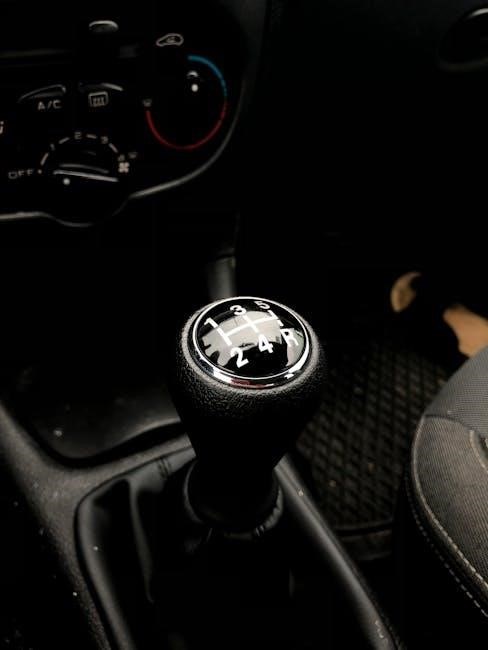
Shift linkage issues in the 2005 Acura TL’s manual transmission often present as imprecise shifting, excessive play in the shifter, or difficulty selecting certain gears. This stems from wear and tear on the various components connecting the shifter to the transmission itself – bushings, rods, and pivot points. Much like simplifying a fraction to its lowest terms (1726/2005), a precise connection is vital.
Common fixes involve replacing worn bushings, which are relatively inexpensive and can significantly improve shifter feel. More severe cases may require replacing entire linkage rods or repairing damaged pivot points. Proper adjustment of the linkage is also crucial after any repair.
Ignoring these issues can lead to missed shifts and potential damage to the transmission. Regular inspection and maintenance of the shift linkage are recommended.
Transmission Fluid Leaks
Transmission fluid leaks in the 2005 Acura TL’s five-speed manual are typically found at the rear main seal, input shaft seal, or around the shift linkage boot. Low fluid levels can cause significant damage, mirroring the importance of a reduced fraction (like 401/12) being in its simplest form – optimal condition.
Identifying the source of the leak is crucial. Often, leaks are slow and may only be noticeable after the car has been parked for a while. Regular inspection of the transmission housing and surrounding areas is recommended.
Addressing leaks promptly prevents internal damage and ensures smooth operation. Replacement of seals or gaskets is usually required, and using the correct transmission fluid is essential, just as converting a decimal to a percentage (like 34) requires the correct method.

Maintenance and Servicing
Regular maintenance is vital for the 2005 Acura TL’s manual transmission, ensuring longevity and optimal performance. Like simplifying fractions (1726/2005), consistent care yields the best results.
Recommended Transmission Fluid
For the 2005 Acura TL’s five-speed manual transmission, Honda Genuine Manual Transmission Fluid (MTF) is overwhelmingly recommended by owners and Acura specialists. This fluid, often identified by part number 22205-LM4-003, is specifically formulated to provide optimal lubrication and protection for the transmission’s internal components.
Using the correct fluid is crucial; alternatives may not offer the same level of shear stability or compatibility with the transmission’s synchronizers, potentially leading to shifting issues or premature wear. While some owners have experimented with other high-quality GL-4 rated fluids, sticking with the Honda MTF is generally considered the safest and most reliable approach.
Just as precise calculations are needed to simplify fractions like 1726/2005, using the correct fluid ensures the transmission operates as intended, mirroring the precision of a well-maintained system. Avoid fluids with molybdenum disulfide, as they can cause clutch slippage.
Transmission Fluid Change Interval
Determining the ideal transmission fluid change interval for the 2005 Acura TL’s manual transmission is a topic of debate amongst enthusiasts. Acura doesn’t specify a fixed interval in the maintenance schedule, suggesting the fluid is “lifetime” fill. However, most owners recommend a fluid change between 30,000 and 60,000 miles, especially for those who frequently engage in spirited driving.
Factors like driving style, climate, and the age of the vehicle influence this interval. More aggressive driving and hotter climates necessitate more frequent changes. Monitoring the fluid’s condition – looking for discoloration or metallic particles – is also crucial.
Similar to simplifying fractions like 401/12, regular fluid changes maintain the transmission’s efficiency. Ignoring this maintenance can lead to synchro wear and shifting problems, ultimately requiring costly repairs.
Clutch Adjustment Procedures
Adjusting the clutch on a 2005 Acura TL with a manual transmission typically involves checking and, if necessary, adjusting the clutch cable free play. This ensures proper engagement and disengagement, preventing issues like slipping or difficulty shifting. The procedure begins by locating the clutch cable adjustment point, usually near the transmission.
Loosen the adjustment locknut and rotate the adjuster to achieve the specified free play – generally between 0.4 and 0.8 inches measured at the pedal. Retighten the locknut after achieving the correct adjustment.
Like reducing fractions to their simplest form (1726/2005), precise clutch adjustment optimizes performance. Incorrect adjustment can mimic the imprecision of unsimplified numbers, leading to a suboptimal driving experience and premature wear.

Performance and Driving Experience
The 2005 Acura TL’s manual transmission delivers a sporty feel, offering quicker acceleration than the automatic. Precise shifting enhances driver engagement, mirroring the accuracy of simplified fractions.
Acceleration and 0-60 Times (Manual vs. Automatic)
The 2005 Acura TL equipped with the five-speed manual transmission generally achieves a 0-60 mph time in approximately 6.2 to 6.5 seconds, depending on driver skill and testing conditions. This represents a noticeable improvement over the automatic transmission variant, which typically clocks in around 7.0 to 7.3 seconds.
The manual gearbox allows for more direct power delivery and minimizes the power loss inherent in torque converter-equipped automatics. Skilled drivers can leverage the manual’s control to optimize gear selection for maximum acceleration. This performance difference, though not dramatic, is appreciated by enthusiasts seeking a more responsive driving experience. Just as simplifying fractions like 1726/2005 reveals core values, the manual TL unlocks the engine’s full potential.
Furthermore, the ability to hold gears during cornering and maintain optimal engine braking contributes to a more engaging and controlled driving experience, enhancing overall performance.
Shifting Feel and Precision
The 2005 Acura TL’s five-speed manual transmission offers a generally positive, though not exceptionally sporty, shifting experience. The gear ratios are well-spaced for everyday driving, providing adequate power throughout the rev range. The shift throws are of moderate length, and the gate action is reasonably precise, though some drivers note a slight notchiness, particularly when shifting from second to third.
Compared to modern transmissions, the TL’s manual lacks the ultra-short throws and seamless engagement found in performance-oriented vehicles. However, it provides a satisfying level of mechanical connection, allowing drivers to feel engaged with the powertrain. Much like reducing a fraction to its simplest form, such as 401/12, the TL’s manual offers a direct and uncomplicated experience.
Overall, the shifting feel is communicative and predictable, contributing to a more involved driving experience.
Fuel Economy (Manual vs. Automatic)
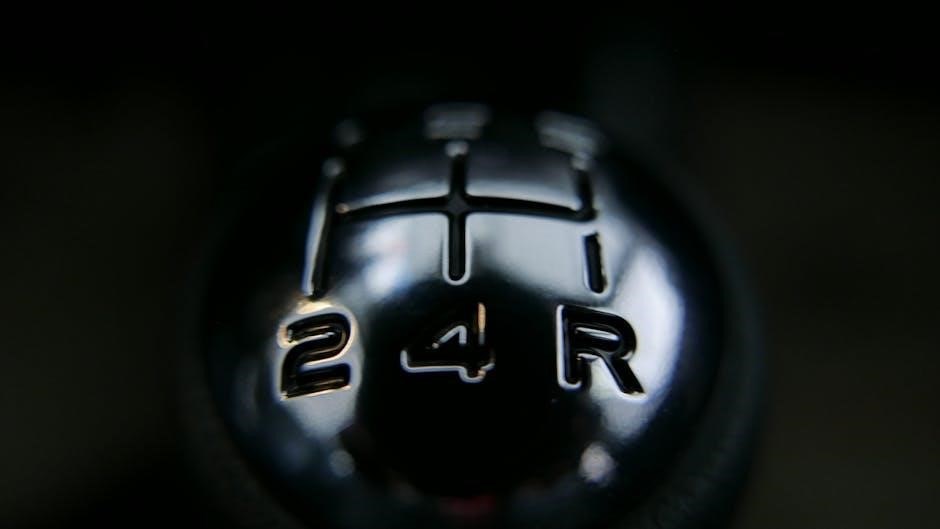
The 2005 Acura TL with the five-speed manual transmission generally achieves slightly better fuel economy compared to the automatic version, though the difference isn’t dramatic. EPA estimates for the manual TL are around 20 mpg city and 28 mpg highway, while the automatic typically achieves 19 mpg city and 27 mpg highway.
Real-world fuel economy will, of course, vary based on driving style and conditions. A driver skilled at utilizing the manual transmission effectively – optimizing gear selection and minimizing unnecessary revving – can potentially exceed these figures. This mirrors the precision needed in simplifying fractions like 1726/2005 to maximize efficiency.
The manual’s advantage stems from the driver’s greater control over engine speed and the absence of torque converter losses inherent in automatic transmissions. Converting decimals to percentages, like 34 as a percent, demonstrates similar optimization principles.
Modifications and Upgrades
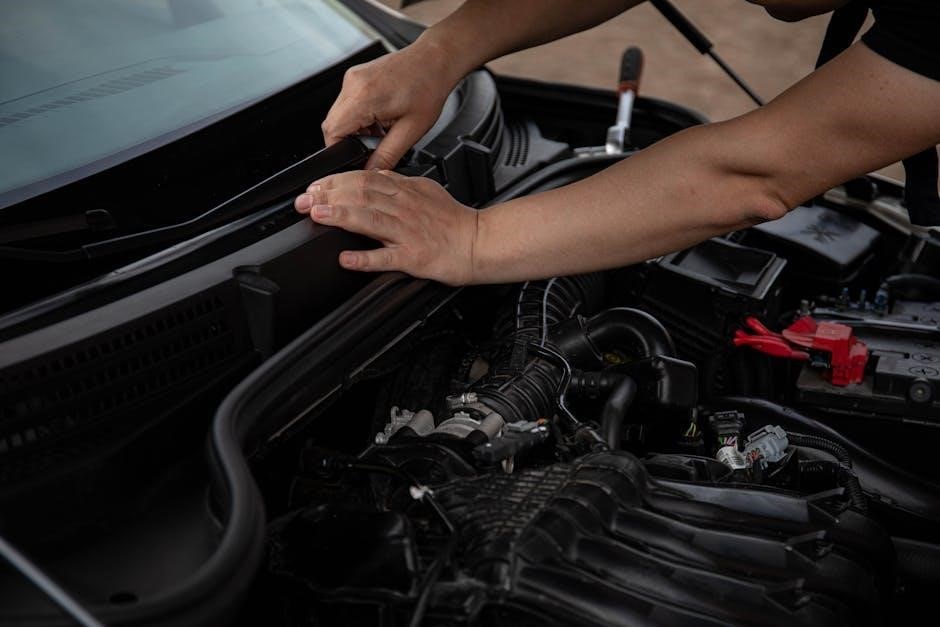
Enhancements for the 2005 Acura TL’s manual transmission include short shifters for quicker throws, upgraded clutch kits for increased durability, and lightweight flywheels for improved responsiveness.
Like simplifying 1726/2005, these upgrades refine performance.
Short Shifters
Installing a short shifter in a 2005 Acura TL with a manual transmission dramatically alters the driving experience, reducing the throw length between gears. This modification results in quicker, more precise shifts, enhancing driver engagement and control. Several aftermarket options are available, ranging in price and adjustability, allowing owners to tailor the shifter feel to their preferences.
Common brands include Comptech and Skunk2, each offering unique designs and benefits. Installation typically requires removing the existing shift linkage and replacing it with the short shifter assembly, a task best undertaken by experienced mechanics. Like reducing a fraction to its simplest form – such as 1726/2005 – a short shifter streamlines a process, making it more efficient. The result is a sportier, more connected feel, improving overall driving enjoyment.
Understanding percentage conversions, similar to converting 34 to a percent, can help quantify the improvement in shift speed.
Upgraded Clutch Kits
For 2005 Acura TLs equipped with manual transmissions, an upgraded clutch kit becomes essential when increasing engine power or experiencing clutch slippage. Stock clutches may struggle to handle modifications, leading to reduced performance and premature wear. Aftermarket kits offer increased clamping force, improved heat resistance, and enhanced durability.
Popular options include kits from ACT and Clutch Masters, providing various levels of performance for street or track use. Installation requires removing the transmission, a complex process best left to professionals. Similar to simplifying a fraction like 401/12, an upgraded clutch streamlines power delivery. Choosing the right kit depends on driving style and power goals, ensuring optimal performance and reliability. Like understanding percentage conversions, selecting the correct clutch is a precise calculation for maximizing potential.
Proper break-in procedures are crucial for longevity.
Lightweight Flywheels
Installing a lightweight flywheel on a 2005 Acura TL with a manual transmission significantly alters the engine’s responsiveness. Reducing rotational mass allows the engine to rev more quickly, improving acceleration and providing a more connected driving experience. However, this comes with trade-offs, including increased engine noise and potentially more challenging low-speed driving.
Flywheels from companies like Fidanza are popular choices, offering substantial weight savings. Like reducing 1726/2005 to its simplest form, a lightweight flywheel streamlines engine operation. Proper installation and balancing are critical to avoid vibrations and potential damage. The change in inertia requires adapting driving style, similar to understanding percentage conversions for optimal performance; It’s often paired with an upgraded clutch kit for best results, enhancing the overall driving experience.
Consider the impact on daily drivability.

Resources and Communities
Dedicated online Acura TL forums provide invaluable support, technical advice, and a platform for enthusiasts to connect. Numerous parts suppliers specialize in manual transmission components, ensuring accessibility for maintenance and upgrades.
Simplifying fractions, like 401/12, mirrors the focused assistance found within these communities.
Online Forums Dedicated to Acura TL
Acura TL enthusiasts have cultivated vibrant online communities specifically dedicated to the 2005 model, and particularly those equipped with the five-speed manual transmission. These forums serve as invaluable resources for owners seeking advice, troubleshooting assistance, and shared experiences.
Acurazine.com is a prominent example, boasting a dedicated section for third-generation TLs (2004-2008) where manual transmission specifics are frequently discussed. Members routinely share detailed repair guides, clutch replacement procedures, and insights into common issues like synchro problems.
TL-S.org, while broader in scope, also features active threads concerning the manual transmission, offering a wealth of knowledge from seasoned owners. These platforms allow users to ask questions, post photos of their modifications, and connect with others who share a passion for this specific Acura model. The ability to simplify complex issues, much like reducing fractions to their lowest terms, is a key benefit of these communities.
Parts Suppliers for Manual Transmission Components
Sourcing components for the 2005 Acura TL’s manual transmission requires navigating a landscape of specialized suppliers. Honda/Acura OEM parts websites, like HondaAutomotiveParts.com, provide genuine parts, ensuring compatibility but often at a premium price. These sites allow searching by VIN for precise fitment.
RockAuto.com offers a broader range of options, including aftermarket and remanufactured parts, often at significantly lower costs. Clutch kits, synchros, and shift linkage components are readily available. However, verifying brand reputation is crucial.
eBay can be a source for used or new-old-stock parts, but caution is advised. Thoroughly review seller feedback and part descriptions. Similar to simplifying fractions, careful selection is key. Clutch Masters and ACT specialize in upgraded clutch kits for performance applications, offering increased clamping force and durability.