Catholic Funeral Rites: A Comprehensive Guide
Navigating Catholic funeral traditions requires understanding specific rites and beliefs, offering comfort and guidance during a difficult time for families and loved ones.
Understanding Catholic Beliefs About Death
Central to Catholic understanding is the belief in the immortality of the soul and the resurrection of the body. Death isn’t viewed as an end, but as a transition to eternal life with God, shaped by one’s earthly actions and faith.
Prayers for the deceased are vital, believing they can assist in purification before entering Heaven. The Church teaches about Purgatory, a state of cleansing for those who die in God’s grace but aren’t fully purified.
Funerals aren’t merely about mourning, but celebrating a life lived in faith and offering hope in the promise of eternal life. These rites acknowledge grief while affirming the enduring bond between the living and the dead, united in Christ.
The Three Rites of Christian Burial
The Catholic funeral journey unfolds through three distinct, interconnected rites: the Vigil, the Funeral Mass, and the Rite of Committal. Each rite serves a unique purpose in honoring the deceased and supporting the grieving family.
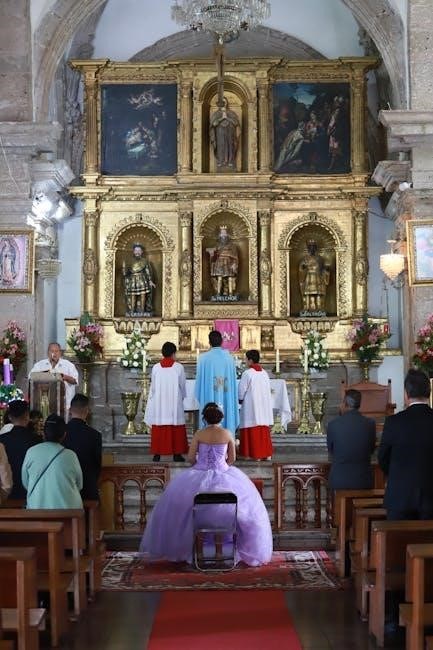
The Vigil, often a wake, provides a time for prayerful remembrance and community support. The Funeral Mass centers on the Eucharist, offering prayers for the soul of the departed and celebrating their life.
Finally, the Rite of Committal signifies the final resting place, entrusting the body to the earth while reaffirming faith in resurrection. These rites, when performed together, offer a complete and comforting experience.
The Vigil (Wake)
The Vigil, traditionally a wake, marks the initial stage of mourning and remembrance within Catholic funeral rites. It’s a period dedicated to prayerful reflection, offering comfort to the bereaved and honoring the life of the deceased.
Held typically at the funeral home or church, the Vigil fosters a sense of community support. Family and friends gather to share memories and offer condolences. Prayers and readings, often selected by loved ones, provide spiritual solace.

This rite isn’t mandatory but highly encouraged, serving as a powerful expression of faith and a meaningful tribute to the departed’s life and legacy.
Purpose and Significance of the Vigil
The Vigil’s core purpose is to accompany the deceased in prayer and offer solace to those grieving, acknowledging the profound loss experienced by family and friends. It’s a communal expression of faith, rooted in the belief in the communion of saints – the spiritual connection between the living and the dead.
Significantly, the Vigil provides a space for initial mourning and remembrance, allowing loved ones to share stories and celebrate the life lived. It prepares the community for the Funeral Mass, fostering a spirit of reverence and hope.
Ultimately, the Vigil affirms the Catholic belief in eternal life and the promise of resurrection, offering comfort amidst sorrow.
Prayers and Readings During the Vigil
The Vigil incorporates several key prayers and readings designed to offer comfort, hope, and reflect on the deceased’s life and faith journey. Common elements include the recitation of the Rosary, a traditional Catholic prayer focusing on the mysteries of Christ’s life, and the Divine Mercy Chaplet, invoking God’s mercy.
Scriptural readings, often chosen by the family, typically focus on themes of resurrection, eternal life, and God’s comforting presence. Psalms expressing trust in God’s providence are also frequently selected.
Prayers of the faithful, offered by members of the community, intercede for the soul of the deceased and offer support to the grieving family, strengthening their faith during this difficult time.
The Funeral Mass
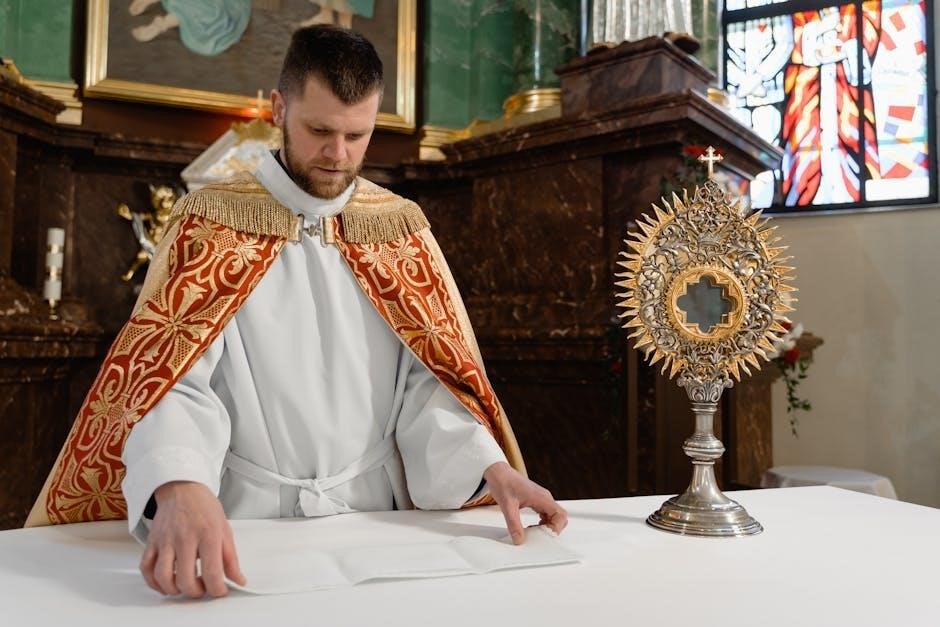
The Funeral Mass, the central rite of Christian Burial, is a profound celebration of the deceased’s life and a powerful expression of faith in the resurrection. It’s a Liturgical celebration, not simply a memorial service, offering prayers for the soul of the departed and providing solace to those who mourn.
The Mass follows the standard order, but incorporates specific prayers and readings tailored to the occasion of death. It acknowledges grief while proclaiming the hope of eternal life through Christ. The Church gathers to give praise and thanks to God for the gift of life.
This sacred event allows the community to support the family and remember the deceased with love and reverence.
The Order of the Funeral Mass
The Funeral Mass generally mirrors the structure of a regular Mass, but with unique elements reflecting mourning and remembrance. It begins with the Entrance Rite, followed by the Liturgy of the Word, featuring carefully selected readings reflecting themes of hope and eternal life.
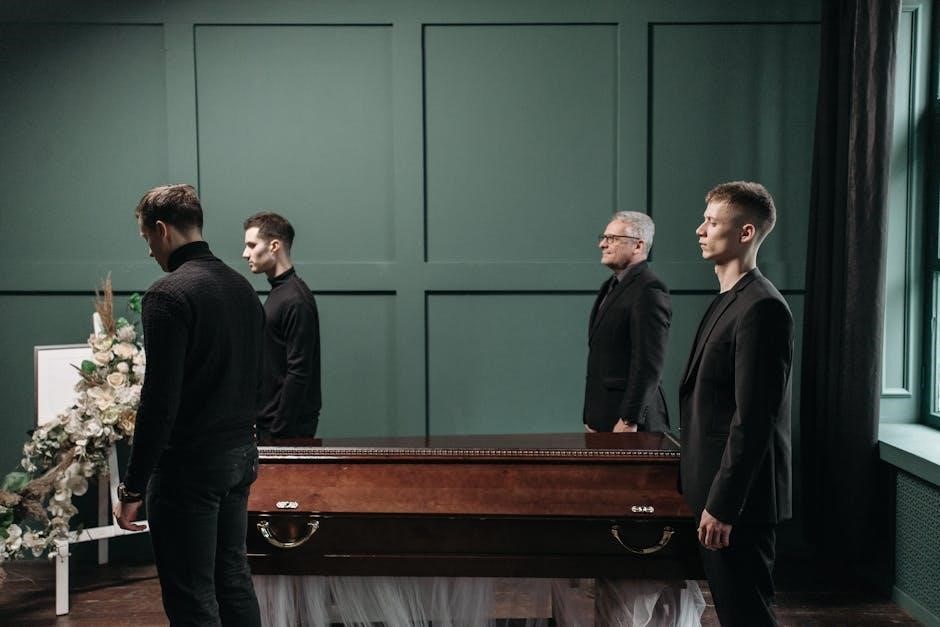
The Liturgy of the Eucharist then proceeds, emphasizing the sacrifice of Christ and the promise of resurrection. Following communion, the Prayer After Communion is recited, and then comes the Final Commendation, a poignant moment where prayers are offered specifically for the deceased.
The Mass concludes with the Recessional, marking the end of the liturgical celebration and offering a sense of peace.
Readings and Homily in the Funeral Mass
The selection of readings for a Funeral Mass is crucial, offering solace and reflecting on the deceased’s life and faith. Typically, there’s an Old Testament reading, a New Testament reading (often from the Gospels), and a Psalm. These readings focus on themes of resurrection, eternal life, and God’s comforting presence.
The homily, delivered by the priest, is a central element. It connects the readings to the life of the deceased, offering reflections on their faith journey and providing comfort to the grieving.
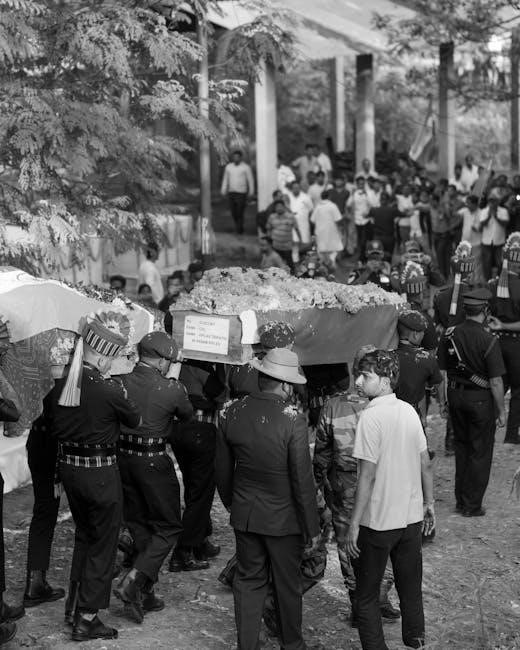
It’s a time for remembrance, hope, and acknowledging God’s mercy and love.
The Rite of Committal
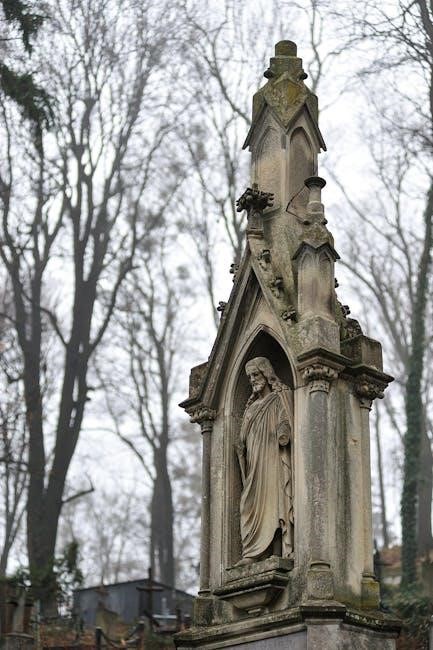
The Rite of Committal marks the final farewell, acknowledging the body’s return to the earth while affirming faith in the resurrection. This rite typically takes place at the graveside, or at a crematorium if cremation is chosen. Prayers are offered, commending the deceased to God’s care and seeking peace for them.
It’s a moment for family and friends to express their final respects and trust in God’s promise of eternal life. The priest may offer a blessing, and often, family members or friends will offer a final prayer or reflection.
This rite signifies the Church’s belief in the dignity of the body and the hope of reunion in heaven.
Significance of the Committal Rite
The Committal Rite isn’t merely a formality; it’s a profound expression of Christian hope and belief in the resurrection of the body. It acknowledges the physical reality of death while simultaneously affirming faith in eternal life with God. This rite recognizes the sacredness of the human body, created in God’s image, and treated with reverence even in death.
Through prayers and blessings, the Church entrusts the deceased to God’s mercy and asks for comfort for those who mourn. It’s a public witness to the faith, offering a final act of love and remembrance.
The rite’s significance lies in its connection to the promise of a new creation and the ultimate triumph over death.
Prayers and Blessings at the Graveside
At the graveside, prayers beseech God’s blessing upon the deceased and offer solace to the grieving family and friends. The priest leads prayers commending the soul to eternal rest, invoking God’s mercy and peace. These prayers often include the “Commendation,” a beautiful and moving plea for God’s loving embrace.
Blessings are offered over the burial site, consecrating it as a place of rest and remembrance. Sprinkling the casket with holy water symbolizes purification and new life in Christ. The recitation of the Lord’s Prayer unites all present in a shared expression of faith and hope.
These sacred moments provide comfort and reinforce the belief in resurrection.
Handling of Cremated Remains
The Catholic Church permits cremation, but historically preferred burial as a sign of respect for the body, which is considered sacred having been the temple of the Holy Spirit. While cremation is now accepted, the Church emphasizes that it should not be chosen for reasons contradicting Catholic faith, like denying the resurrection.
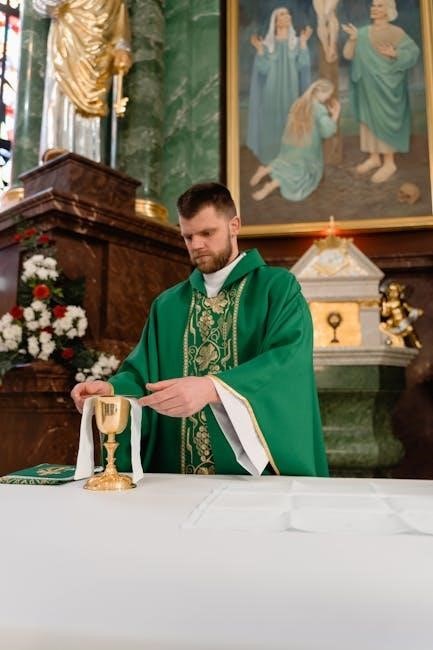
Cremated remains, often referred to as ashes, should be treated with the same reverence as a body. They are typically placed in an urn and may be kept in a columbarium, interred in a cemetery, or scattered in a place of significance, with proper Church approval.
A funeral Mass or memorial service can still be celebrated with cremated remains present.
Planning a Catholic Funeral: A Checklist
Organizing a Catholic funeral involves several key steps to ensure adherence to tradition and provide a meaningful tribute. Begin by contacting the parish priest to schedule the funeral Mass and discuss details.
Next, select readings, hymns, and a homily theme reflecting the deceased’s life and faith. Choose pallbearers and prepare an obituary. Coordinate with the funeral home regarding arrangements for viewing, the vigil, and committal service.
Confirm the date, time, and location for each event. Prepare a list of family and friends to notify. Consider memorial donations in lieu of flowers. Finally, review all plans with the priest for final approval.
Choosing Readings and Music
Selecting appropriate readings and music is crucial for a Catholic funeral, reflecting hope, comfort, and the deceased’s faith journey. The Old and New Testaments offer passages about resurrection and eternal life, providing solace to mourners.
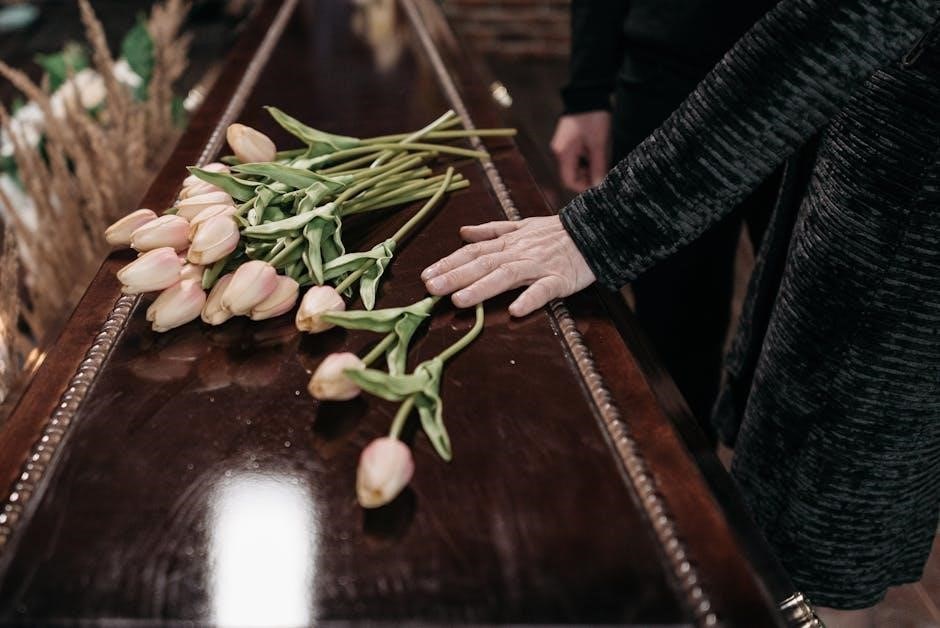
Hymns should be reverent and uplifting, chosen to enhance the prayerful atmosphere. Consider the deceased’s favorite hymns or those with themes of peace and remembrance. Consult with the parish priest or music director for guidance.
Readings and music should complement each other and the homily, creating a cohesive and meaningful liturgy. Ensure selections are approved by the Church and align with Catholic doctrine.
The Role of Family and Friends
Family and friends play a vital role in honoring the deceased and supporting one another throughout the grieving process during a Catholic funeral. Their presence offers comfort and strength, embodying the community aspect of faith.
Participation in the Vigil, Funeral Mass, and Rite of Committal demonstrates love and respect. Sharing memories and offering prayers contribute to a meaningful tribute. Family members often participate as lectors or gift bearers.
Providing practical support, such as assisting with arrangements or offering meals, eases the burden on the immediate family. Their collective support embodies the Church’s compassion and solidarity.
Grief Support Resources
Navigating grief after a loss is a deeply personal journey, and the Catholic Church offers numerous resources for support and healing during this challenging time. Recognizing the emotional and spiritual needs of those mourning is paramount.
Parishes often host grief support groups facilitated by trained ministers or counselors, providing a safe space for sharing experiences. Catholic Charities provides professional counseling services and bereavement programs.
Organizations like Catholic Answers offer articles and guidance on coping with loss from a faith-based perspective. Retreats and spiritual direction can also provide solace. Remember, seeking help is a sign of strength, not weakness.
Funeral Liturgy Location Options
The Catholic Church provides flexibility regarding where the Funeral Mass or Liturgy of the Word can be celebrated, accommodating family preferences and logistical considerations. Traditionally, the parish church is the primary location for these sacred services, offering a familiar and reverent setting.
However, a funeral liturgy can also be held within the funeral home itself, particularly if accessibility or convenience are concerns for grieving family members. This allows for a more intimate gathering.
Permission from the local parish priest is generally required for services held outside the church. The chosen location should be conducive to prayerful reflection and respectful remembrance of the deceased.
Papal Funeral Rites: A Special Case
The death of a Pope initiates a uniquely structured series of rites and rituals, meticulously planned and steeped in centuries of tradition. These procedures commence immediately upon the official certification of the Pope’s death by the Cardinal Camerlengo;
Following certification, the body is prepared and lies in state at St. Peter’s Basilica, allowing for public veneration by cardinals, bishops, priests, and lay faithful. A nine-day period of mourning, known as the novemdiales, is observed.
The funeral Mass, presided over by the College of Cardinals, is a grand and solemn occasion, followed by interment within the Vatican Grottoes. This process precedes the subsequent conclave to elect a new pontiff.
Catholic Answers as a Resource
For comprehensive and reliable information regarding Catholic doctrine, tradition, and beliefs surrounding funeral rites, Catholic Answers stands as a premier resource. As a dedicated media company, they offer accessible explanations of complex theological concepts, aiding families in navigating the planning process.
Catholic Answers provides clarity on the significance of each element within the funeral liturgy, from the Vigil and Funeral Mass to the Rite of Committal. Their materials address common questions and concerns, ensuring informed decision-making.
Access their website for articles, FAQs, and resources designed to support understanding and facilitate a meaningful Catholic funeral experience, aligning with Church teachings.
Preparing for Your Own Catholic Funeral
Proactively planning your Catholic funeral demonstrates thoughtful consideration for your loved ones, easing their burden during a time of grief and ensuring your wishes are honored. This reflective preparation allows you to guide the selection of readings, music, and other liturgical elements.
Consider documenting your preferences regarding the Vigil, Funeral Mass, and Rite of Committal, including any specific prayers or hymns that hold personal significance. Discussing these intentions with family members is crucial.
Utilizing available guides and resources, like those detailing Catholic funeral rites, can streamline the process and provide peace of mind, knowing your final arrangements align with your faith.
Online Resources for Catholic Funeral Planning
Numerous online platforms offer comprehensive guidance for planning a Catholic funeral, providing accessible information about rites, traditions, and available support systems. Catholic Answers (catholic.com) stands out as a leading resource, delivering reliable insights into Church doctrine and beliefs regarding death and bereavement.
Parish websites frequently contain funeral planning checklists and details about local liturgical options. Diocesan websites often provide additional resources and guidance on navigating the funeral process.
Exploring these digital tools can simplify arrangements, offering downloadable PDFs detailing the order of service and suggested readings, ultimately easing the burden during a sensitive time.
Understanding the Symbolism in Catholic Funeral Rites
Catholic funeral rites are rich in symbolism, reflecting core beliefs about death, resurrection, and eternal life. The white pall placed on the casket symbolizes the deceased’s baptismal innocence and new life in Christ. Incense represents prayers rising to heaven, purifying the space and honoring the departed.

Water, sprinkled during the final commendation, recalls baptism and cleansing from sin. The use of scripture readings and hymns emphasizes faith and hope in God’s promises.
These symbolic gestures aren’t merely ceremonial; they are tangible expressions of the Church’s belief in the spiritual journey of the soul.