Hartman’s Nursing Assistant Care: The Basics 6th Edition ⸺ Article Plan
Hartman’s Nursing Assistant Care: The Basics, 6th Edition, is a focused text covering OBRA statutes, state regulations, and OSHA guidelines.
It offers essential care skills and details what to observe and report regarding common conditions.
Currently, the 6th edition is unavailable online, but previous editions (4th & 5th) can be found via archive links.
These resources provide valuable insights into nursing assistant training and long-term care practices.
Hartman’s Nursing Assistant Care: The Basics, 6th Edition, serves as a foundational resource for individuals embarking on a career as a Certified Nursing Assistant (CNA). This textbook, published by Hartman Publishing, is designed to provide a concise yet comprehensive overview of the essential knowledge and skills required to deliver quality patient care. While the 6th edition itself is currently difficult to locate in digital format, understanding its core principles remains vital for aspiring CNAs.

The text distinguishes itself by prioritizing practical application alongside a thorough grounding in relevant regulations. It meticulously covers OBRA (Omnibus Budget Reconciliation Act) statutes, ensuring students are well-versed in the federal guidelines governing long-term care facilities. Furthermore, it addresses state-specific regulations and OSHA (Occupational Safety and Health Administration) guidelines, emphasizing workplace safety and legal compliance.
Though access to the 6th edition PDF is limited, resources for earlier editions (4th and 5th) are available through online archives, offering a glimpse into the textbook’s structure and content. These earlier versions still provide valuable insights into the core competencies expected of nursing assistants, including basic care skills, observation techniques, and effective communication strategies. The book’s focus remains consistent: preparing competent and compassionate caregivers.
Understanding the Role of a Nursing Assistant

Hartman’s Nursing Assistant Care: The Basics, 6th Edition, emphasizes the crucial role Nursing Assistants (CNAs) play within the healthcare continuum. CNAs are the frontline caregivers, providing direct patient care under the supervision of licensed nurses and other healthcare professionals. This textbook details the multifaceted responsibilities inherent in this position, extending beyond simply assisting with daily living activities.
The role encompasses assisting patients with hygiene, mobility, nutrition, and vital sign monitoring. However, equally important is the CNA’s ability to observe and report changes in a patient’s condition. Hartman’s highlights the significance of accurate documentation and effective communication with the care team. CNAs act as vital links, conveying patient needs and concerns to nurses and physicians.
While the 6th edition PDF is currently scarce, previous versions available online underscore the importance of empathy, respect, and maintaining patient dignity. The text prepares students to work in diverse settings, including long-term care facilities, skilled nursing facilities, and even home healthcare environments. Understanding the scope of this role is paramount, and Hartman’s provides a solid foundation for success.
Key Regulations: OBRA and State Guidelines
Hartman’s Nursing Assistant Care: The Basics, 6th Edition, places significant emphasis on the legal and ethical framework governing nursing assistant practice. A cornerstone of this framework is the Omnibus Budget Reconciliation Act (OBRA) of 1987. OBRA established federal standards for nursing assistant training and certification, ensuring a minimum level of competency and quality of care for residents in long-term care facilities.
The textbook details OBRA’s requirements regarding training hours, curriculum content, and competency evaluations; However, it’s crucial to understand that OBRA provides a baseline; individual states often have more stringent regulations. Hartman’s stresses the importance of CNAs being familiar with the specific laws and guidelines in their state of practice.
While accessing the 6th edition PDF proves challenging currently, prior editions readily available online demonstrate the consistent focus on regulatory compliance. This includes understanding resident rights, reporting abuse and neglect, and adhering to infection control protocols. Knowledge of these regulations isn’t merely about avoiding penalties; it’s about providing safe, ethical, and high-quality care to vulnerable individuals.
OSHA Guidelines for Nursing Assistants

Hartman’s Nursing Assistant Care: The Basics, 6th Edition, dedicates crucial sections to Occupational Safety and Health Administration (OSHA) guidelines, recognizing the inherent risks faced by nursing assistants. The healthcare environment presents numerous potential hazards, including exposure to infectious diseases, musculoskeletal injuries from patient handling, and chemical exposures.
The textbook, even in earlier editions accessible online, emphasizes the CNA’s right to a safe working environment and details employer responsibilities in providing that safety. This includes proper training on safe lifting techniques, the use of personal protective equipment (PPE), and procedures for handling hazardous materials.
OSHA standards covered within Hartman’s encompass bloodborne pathogen training, preventing needlestick injuries, and understanding the facility’s emergency preparedness plan. While locating the 6th edition PDF is currently difficult, the core principles of OSHA compliance remain consistent across versions. Adhering to these guidelines isn’t just a legal obligation; it’s fundamental to protecting both the CNA and the patients they serve from preventable harm.
Essential Care Skills Covered in the Textbook
Hartman’s Nursing Assistant Care: The Basics, 6th Edition, comprehensively covers a wide range of essential care skills vital for effective patient support. These skills, foundational to the nursing assistant role, include vital sign measurement (temperature, pulse, respiration, blood pressure), assisting with activities of daily living (ADLs) like bathing, dressing, and feeding, and maintaining proper body mechanics during patient transfers.
The textbook details techniques for providing basic wound care, observing and reporting changes in patient condition, and promoting infection control. Even with limited access to the 6th edition PDF, prior versions available online demonstrate a strong emphasis on communication skills – crucial for interacting with patients, families, and the healthcare team.

Furthermore, Hartman’s guides students through procedures like catheter care, range-of-motion exercises, and assisting with ambulation. The focus remains on providing safe, compassionate, and person-centered care, equipping nursing assistants with the practical knowledge and skills needed to excel in their roles.
Long-Term Care Facilities: An Overview
Hartman’s Nursing Assistant Care: The Basics provides a foundational understanding of long-term care (LTC) facilities, a critical component of healthcare for individuals requiring ongoing support. The text outlines the diverse range of LTC settings, including nursing homes, assisted living facilities, and residential care communities, each catering to different levels of need.
It differentiates between skilled care, offering intensive medical services like rehabilitation and wound care, and chronic care, focused on managing long-term health conditions. Understanding these distinctions is crucial for nursing assistants, as it dictates the scope of care provided and the level of medical supervision required.

The textbook emphasizes the role of the nursing assistant within the LTC environment, highlighting their responsibilities in providing personal care, observing and reporting changes in resident condition, and fostering a supportive and dignified atmosphere. While the 6th edition PDF remains elusive, available resources confirm a focus on the unique challenges and rewards of LTC work.
Skilled Care vs. Chronic Care: Definitions
Hartman’s Nursing Assistant Care: The Basics clearly delineates the differences between skilled care and chronic care, essential knowledge for effective patient support. Skilled care refers to medically intensive services requiring licensed professionals – nurses and therapists – focusing on short-term rehabilitation after injury or illness. Examples include wound care, intravenous therapy, and physical therapy aimed at restoring function.
Conversely, chronic care addresses long-term health conditions where a cure isn’t possible, but symptoms can be managed. This encompasses conditions like arthritis, diabetes, and Alzheimer’s disease. The focus shifts to maintaining quality of life, providing comfort, and preventing complications.

The textbook emphasizes that nursing assistants play a vital role in both settings, though the specific tasks differ. While skilled care may involve assisting with specialized treatments, chronic care often centers on activities of daily living and emotional support. Understanding these distinctions, even with limited access to the 6th edition PDF, is paramount for providing appropriate and compassionate care.
Common Conditions and Observations to Report
Hartman’s Nursing Assistant Care: The Basics stresses the importance of diligent observation and accurate reporting. Nursing assistants are often the first to notice subtle changes in a patient’s condition, making them crucial members of the healthcare team. Common conditions requiring careful monitoring include infections (indicated by fever, redness, swelling), skin breakdown (pressure ulcers), and changes in mental status (confusion, disorientation).
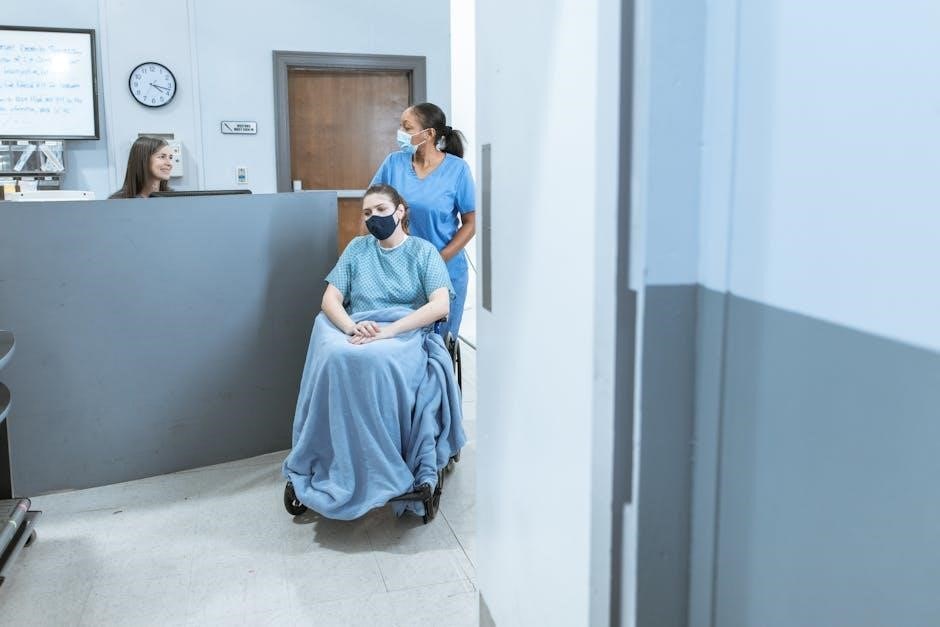
The textbook likely details specific observations to report, such as alterations in vital signs, difficulty breathing, pain levels, and changes in appetite or elimination patterns. Even seemingly minor details can be significant. For example, a sudden decrease in a resident’s ability to perform activities of daily living warrants immediate attention.
While direct access to the 6th edition PDF is limited, the core principle remains consistent: prompt and thorough reporting ensures timely intervention and optimal patient outcomes. Accurate documentation, guided by the principles outlined in Hartman’s text, is a cornerstone of quality care.
The Importance of Documentation
Hartman’s Nursing Assistant Care: The Basics emphasizes that accurate and thorough documentation is paramount in providing quality patient care. Legal and ethical responsibilities demand that nursing assistants meticulously record observations, care provided, and any changes in a patient’s condition. This documentation serves as a vital communication tool between healthcare professionals.
Detailed records ensure continuity of care, preventing errors and promoting patient safety. The textbook likely outlines specific elements to include in documentation, such as date, time, objective observations (what you see, hear, smell), and subjective information (what the patient reports). Avoiding vague language and personal opinions is crucial.
Although direct access to the 6th edition PDF is currently limited, the fundamental principle of comprehensive documentation remains central to the nursing assistant’s role; Proper record-keeping protects both the patient and the caregiver, demonstrating accountability and contributing to a positive healthcare environment.
Communication Skills for Nursing Assistants
Hartman’s Nursing Assistant Care: The Basics likely dedicates significant attention to communication skills, recognizing them as foundational to effective patient care. Successful interaction involves both verbal and non-verbal techniques, fostering trust and rapport with residents and their families. Active listening, empathy, and clear articulation are essential components.
The textbook probably stresses adapting communication styles to meet individual patient needs, considering factors like cognitive ability, sensory impairments, and cultural background. Reporting observations accurately to nurses and other team members is also a critical communication skill, requiring concise and objective language.
While the 6th edition PDF isn’t readily available, the core principles of effective communication remain constant. Nursing assistants act as vital links in the healthcare chain, relaying crucial information and advocating for patient well-being. Mastering these skills enhances the quality of care and promotes a positive environment.
Basic Nursing Assistant Procedures
Hartman’s Nursing Assistant Care: The Basics, even in its earlier editions, comprehensively covers fundamental procedures nursing assistants perform daily. These likely include vital signs measurement (temperature, pulse, respiration, blood pressure), assisting with personal hygiene (bathing, dressing, oral care), and mobility assistance – transferring and positioning patients safely.
The textbook probably details proper techniques for feeding, making beds, and maintaining a clean and safe environment. It emphasizes infection control protocols throughout all procedures, crucial for preventing the spread of illness. While the 6th edition PDF is currently difficult to access, the core procedures remain consistent.
Understanding and correctly executing these basic skills is paramount for providing quality care. The text likely stresses the importance of following established protocols, documenting procedures accurately, and reporting any changes in a patient’s condition to the nursing staff. These skills form the bedrock of a nursing assistant’s role.
Infection Control Protocols
Hartman’s Nursing Assistant Care: The Basics, across all editions, places significant emphasis on infection control – a cornerstone of patient safety. The textbook likely details standard precautions, including hand hygiene (washing and sanitizing), the use of personal protective equipment (PPE) like gloves and gowns, and proper disposal of contaminated materials.
It probably explains transmission-based precautions for specific infections, such as airborne, droplet, and contact precautions. Even with limited access to the 6th edition PDF, it’s safe to assume the text reinforces the importance of minimizing the spread of microorganisms within healthcare settings.
The material likely covers proper cleaning and disinfection techniques for surfaces and equipment, as well as procedures for handling potentially infectious body fluids. Understanding and diligently applying these protocols is crucial for protecting both patients and healthcare workers from infection. Consistent adherence to these guidelines is non-negotiable.
Patient Rights and Responsibilities
Hartman’s Nursing Assistant Care: The Basics, even without direct access to the 6th edition PDF, undoubtedly dedicates a section to patient rights. This is a fundamental aspect of ethical and legal healthcare practice, heavily influenced by OBRA regulations. The textbook likely outlines residents’ rights to dignity, respect, privacy, and the right to make their own decisions regarding their care.
It probably details the right to refuse treatment, the right to access their medical records, and the right to voice grievances without fear of retribution. Equally important, the text likely addresses patient responsibilities, such as providing accurate information about their health history and cooperating with care plans.
Nursing assistants play a vital role in upholding these rights, ensuring patients are treated with compassion and their autonomy is respected. Understanding these principles is crucial for providing person-centered care and maintaining a safe, supportive environment. The text likely emphasizes the importance of reporting any observed violations of patient rights.
Ethical Considerations in Nursing Assistant Care
Hartman’s Nursing Assistant Care: The Basics, even referencing older editions as the 6th edition PDF is currently unavailable, would dedicate significant attention to ethical considerations. These principles guide nursing assistants in navigating complex situations where there isn’t always a clear “right” answer;
The textbook likely explores concepts like confidentiality, respecting patient dignity, and avoiding conflicts of interest. It would address scenarios involving difficult patients, end-of-life care, and the importance of reporting suspected abuse or neglect. Maintaining professional boundaries and advocating for patient well-being are central themes.
Ethical dilemmas often arise in long-term care, requiring nursing assistants to exercise sound judgment and adhere to a strong moral compass. The text likely emphasizes the importance of seeking guidance from supervisors when facing challenging ethical situations, ensuring patient safety and upholding professional standards.
Available Resources and Support for Nursing Assistants
While a direct link to a 6th edition PDF of Hartman’s Nursing Assistant Care: The Basics remains elusive, numerous resources support nursing assistants. Older editions, like the 4th and 5th, are accessible through online archives such as annas-archive.org, offering valuable foundational knowledge.
Beyond the textbook itself, professional organizations provide continuing education, certification opportunities, and advocacy. State nursing assistant registries offer information on regulations and training requirements. Many long-term care facilities offer in-service training and mentorship programs.
Online forums and communities connect nursing assistants, fostering peer support and knowledge sharing. Additionally, resources like the National Network of Career Nursing Assistants (NNCAN) provide valuable information and advocacy. Accessing these resources ensures nursing assistants stay current with best practices and receive the support needed to excel in their roles.
Comparison of Editions: 4th, 5th & 6th (Availability)
Comparing the 4th, 5th, and 6th editions of Hartman’s Nursing Assistant Care: The Basics reveals a progression in content and regulatory updates. The 4th and 5th editions are readily available through online archives like annas-archive.org, offering access to foundational material on OBRA statutes, OSHA guidelines, and essential care skills.
The 5th edition likely incorporated updates to reflect changes in healthcare practices and regulations since the 4th. However, locating a readily accessible PDF of the 6th edition proves challenging as of today, April 21, 2026. It’s presumed the 6th edition contains the most current information regarding evolving standards of care.
While older editions remain valuable for understanding core principles, nursing assistants should prioritize access to the latest guidelines when available. The focus across editions remains consistent: providing a brief, focused overview of the nursing assistant’s role and responsibilities.

Accessing Supplemental Materials (Workbooks)
Supplemental workbooks are crucial for reinforcing the concepts presented in Hartman’s Nursing Assistant Care: The Basics. While a direct link to a 6th edition workbook isn’t currently available, resources for previous editions can be found online. Specifically, a workbook for the 4th edition is accessible through annas-archive.org, providing valuable practice exercises and review questions.
These workbooks typically complement the textbook by offering hands-on activities, case studies, and skill-checklists designed to enhance learning and prepare students for practical application. They often include sections dedicated to documentation, communication, and ethical considerations – key components of a nursing assistant’s role.
Although the 6th edition workbook may not be widely distributed in digital format yet, checking with educational institutions or directly contacting Hartman Publishing could yield further information. Utilizing the 4th edition workbook remains a beneficial option for supplementing learning, even while awaiting access to the latest materials.