Article Plan: Ave Maria Sheet Music PDF Free
This article details accessing free “Ave Maria” sheet music PDFs, covering resources like IMSLP, MuseScore, and MGE Coge․
It explores various versions and provides printing tips․
Today is 04/07/2026 05:24:50 ()
- [1] COGE_Gounod_Ave_Maria․pdf (mgecoge․org, April 18, 2020)
- [2] Ave Maria Bach-Gounod (MuseScore․com, April 30, 2018)
- [3] Ave Maria, CG 89 (IMSLP․org, April 6, 2026)
The timeless beauty of “Ave Maria” continues to captivate audiences worldwide, making it a staple for both amateur and professional musicians․
This enduring popularity fuels a consistent demand for readily available sheet music; Fortunately, the digital age offers a wealth of resources for obtaining “Ave Maria” sheet music in PDF format, often completely free of charge․
This article serves as a comprehensive guide to navigating these online resources․ We will explore prominent platforms like the International Music Score Library Project (IMSLP), MuseScore․com, and the MGE Coge website, detailing how to access and download free PDFs․
We’ll also discuss the different versions available, catering to various skill levels and instrumental preferences․
Finding quality, free sheet music can sometimes be challenging, so we’ll provide practical tips for printing and utilizing these resources effectively․
What is “Ave Maria” and its Significance?
“Ave Maria” is a universally recognized prayer, deeply rooted in Christian tradition, specifically honoring the Virgin Mary․ However, the version most commonly performed today isn’t a single, original composition․ It’s a beautiful amalgamation – a melody originally composed by Johann Sebastian Bach, paired with a Latin text from Sir Walter Scott’s poem, “The Lady of the Lake․”
This combination, famously arranged by Charles Gounod, has become a beloved piece in classical repertoire․ Its significance lies in its spiritual depth, melodic simplicity, and emotional resonance․
The piece is frequently performed at weddings, funerals, and religious ceremonies, symbolizing reverence, peace, and hope․ Consequently, access to its sheet music is highly sought after․
The History of the “Ave Maria” Melody
The instantly recognizable melody of “Ave Maria” originates from Johann Sebastian Bach’s Prelude No․ 1 in C Major, part of his collection, The Well-Tempered Clavier․ Composed around 1722, this prelude wasn’t initially intended as a vocal piece; it was a purely instrumental work showcasing Bach’s harmonic innovation․
Its flowing, arpeggiated chords and serene character proved remarkably adaptable․ Centuries later, in 1853, Charles Gounod recognized its potential and superimposed a melody based on the traditional Latin “Ave Maria” prayer onto Bach’s harmonic structure․ This fusion created the iconic piece we know today, transforming a keyboard prelude into a profoundly moving vocal work․
Bach’s Prelude No․ 1 in C Major – The Foundation
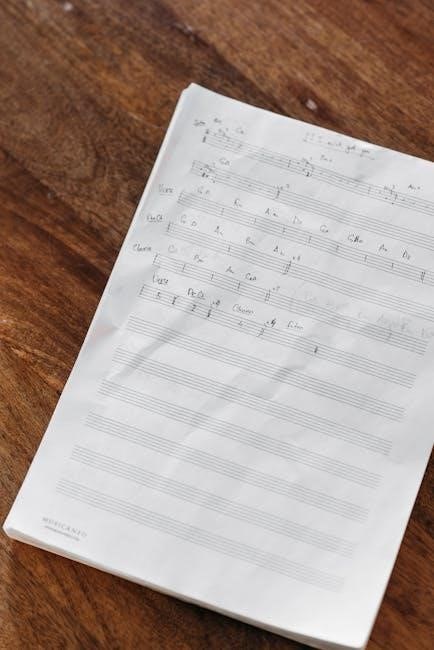
Bach’s Prelude No․ 1 in C Major, BWV 846, is a cornerstone of piano repertoire and the harmonic bedrock of the beloved “Ave Maria” arrangement․ This prelude, from The Well-Tempered Clavier, Book I, demonstrates Bach’s mastery of counterpoint and harmonic progression․
Its continuous, flowing arpeggios create a sense of peaceful contemplation․ The piece is relatively simple in structure, making it accessible to intermediate piano players, yet profoundly beautiful․ Finding sheet music PDFs of this original prelude is readily available on IMSLP, allowing musicians to appreciate the source material before exploring Gounod’s adaptation․
Gounod’s Adaptation – Adding the Vocal Line
Charles Gounod, a French composer, famously overlaid a melodic vocal line onto Bach’s Prelude No․ 1 in C Major, transforming a purely instrumental piece into the deeply moving “Ave Maria” we know today․ This adaptation, created around 1853, adds a lyrical and devotional quality to Bach’s harmonic foundation․
Gounod’s melody beautifully complements the existing chords, creating a seamless blend of Baroque and Romantic styles․ Sheet music PDFs of this combined version are widely available, including on MuseScore and IMSLP, offering both piano solo and vocal/piano arrangements for singers of varying levels․
Where to Find Free “Ave Maria” Sheet Music PDFs
Fortunately, numerous online resources offer free “Ave Maria” sheet music in PDF format․ The International Music Score Library Project (IMSLP) is a treasure trove of public domain scores, including Gounod’s arrangement․ MuseScore․com provides user-submitted arrangements, often with piano accompaniment and chord symbols, downloadable as PDFs․
Additionally, the MGE Coge website hosts a PDF version of Gounod’s “Ave Maria” (COGE_Gounod_Ave_Maria․pdf)․ These sites offer various versions, catering to different skill levels and instrumentation preferences, making this beautiful piece accessible to all musicians․
IMSLP (International Music Score Library Project)
IMSLP, the International Music Score Library Project, stands as a premier online resource for public domain sheet music․ It hosts Charles Gounod’s “Ave Maria” (CG 89), offering a legally free PDF download․ This resource is invaluable for musicians seeking authentic scores, published on April 6, 2026․
IMSLP’s extensive catalog ensures access to various editions and arrangements․ Users can explore different versions of the piece, benefiting from a community-driven platform dedicated to preserving musical heritage․ The website’s interface allows easy navigation and download of the desired sheet music․
MuseScore․com
MuseScore․com provides a readily accessible platform for both viewing and downloading “Ave Maria” sheet music in PDF or MIDI format․ Specifically, the Bach-Gounod arrangement for piano solo is available, as uploaded by user 460006 on April 30, 2018․ This offers a convenient option for pianists seeking a simplified score with chords․
The site’s user-friendly interface allows for easy browsing and previewing before downloading․ While some scores are user-submitted, MuseScore․com fosters a vibrant community of musicians sharing their arrangements and transcriptions, providing diverse options for learning and performance․
MGE Coge Website
The MGE Coge website (mgecoge․org) offers a direct PDF download of Gounod’s “Ave Maria” sheet music․ The file, named “COGE_Gounod_Ave_Maria․pdf”, was published on April 18, 2020․ This resource provides a readily available score for vocal performance, potentially including accompaniment․
MGE Coge appears to specialize in providing musical resources, making it a valuable source for choral and vocal sheet music․ The website’s straightforward presentation allows for quick access to the desired PDF, simplifying the search process for musicians seeking this classic piece․
Other Potential Sources for Free Sheet Music
Beyond IMSLP, MuseScore, and MGE Coge, several other avenues exist for finding free “Ave Maria” sheet music PDFs․ Websites dedicated to public domain music often host arrangements, though quality can vary․ Online forums for musicians frequently feature shared scores, requiring careful verification of legality and accuracy․
Exploring university music library websites may reveal digitized collections․ Searching general sheet music archives, using specific keywords like “Bach Gounod Ave Maria PDF,” can also yield results․ Always prioritize sources with clear copyright information to ensure legal downloads․
Different Versions of “Ave Maria” Sheet Music
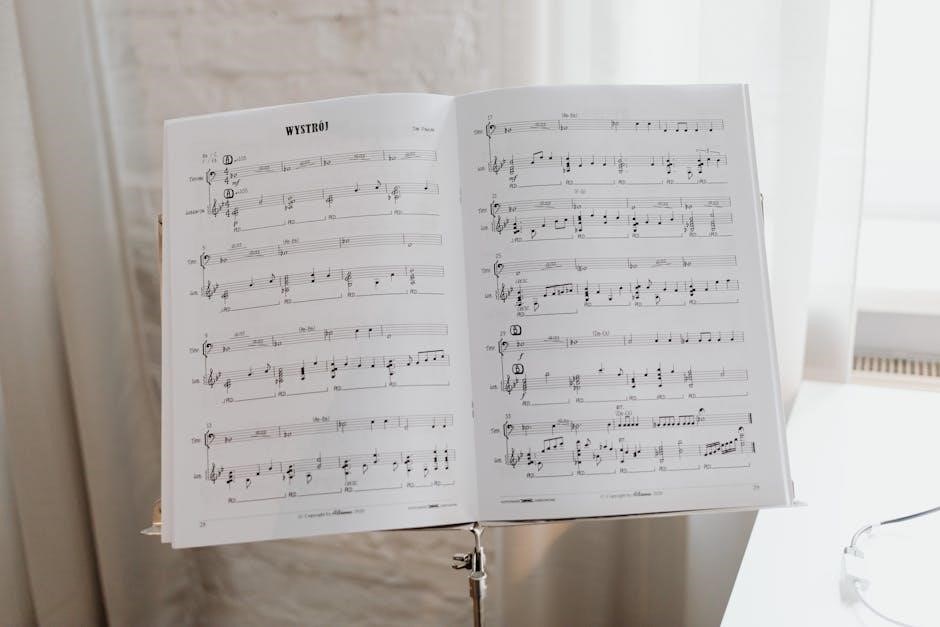
Numerous arrangements of “Ave Maria” cater to diverse skill levels and preferences․ Piano solo versions, like those found on MuseScore, are popular for instrumental practice․ Sheet music for voice and piano is widely available, accommodating various vocal ranges – soprano, alto, tenor, and bass․
Furthermore, versions with chords simplify accompaniment for guitar or other instruments․ Some PDFs offer simplified arrangements for beginners, while others present more complex, ornamented editions․ Exploring these options allows musicians to select a version best suited to their abilities and artistic interpretation․
Sheet Music for Piano Solo
Piano solo arrangements of “Ave Maria” are readily accessible in PDF format․ MuseScore․com provides a free download of the Bach-Gounod version specifically for piano, offering a convenient starting point for instrumentalists․ These scores typically present the complete melody and harmonic structure, allowing pianists to perform the piece independently․
The level of difficulty can vary; some arrangements are simplified for beginners, while others include more intricate ornamentation and demanding passages․ Searching IMSLP and other online repositories will reveal a range of piano solo editions to suit different skill levels․
Sheet Music for Voice and Piano
Finding “Ave Maria” sheet music for voice and piano is quite common online․ IMSLP offers scores of Gounod’s arrangement, presenting both the vocal line and piano accompaniment․ These PDFs are invaluable for singers and pianists performing together, allowing for a complete rendition of the piece․
The vocal scores typically include the melody with lyrics, while the piano part provides harmonic support and countermelodies․ MGE Coge also provides a PDF version suitable for vocal performance․ Different keys and vocal ranges may be available, catering to various singers’ needs․
Sheet Music with Chords
For guitarists or pianists who prefer a chord-based approach, sheet music including chords is readily available․ MuseScore․com specifically features a “Ave Maria Bach-Gounod” arrangement with chords designed for piano․ This format simplifies accompaniment, allowing musicians to quickly grasp the harmonic structure․
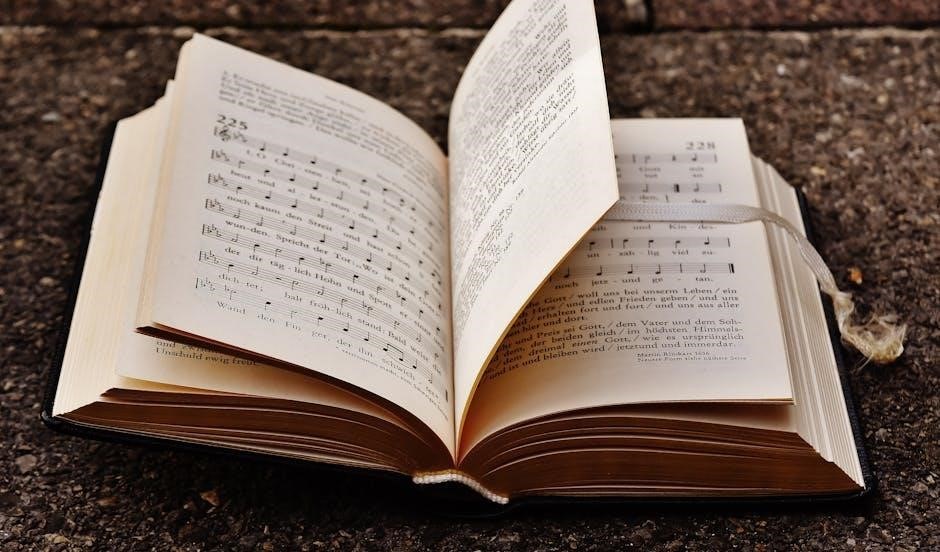
Chord charts above the melody line indicate the corresponding chords to play, making it easier to improvise or create a simplified arrangement․ These versions are particularly useful for beginner musicians or those who enjoy playing by ear, offering a flexible way to perform this beautiful piece․
Sheet Music for Different Vocal Ranges (Soprano, Alto, Tenor, Bass)
Finding sheet music tailored to specific vocal ranges is crucial for a comfortable and effective performance of “Ave Maria․” While a single, universal score exists, adaptations for Soprano, Alto, Tenor, and Bass voices are often available through IMSLP and other online resources․
These arrangements transpose the melody to suit each voice type’s tessitura, ensuring optimal vocal production and resonance․ Singers should carefully select the version matching their range to avoid strain or difficulty․ Exploring different keys can further personalize the piece for individual vocal characteristics․
Understanding Sheet Music Notation
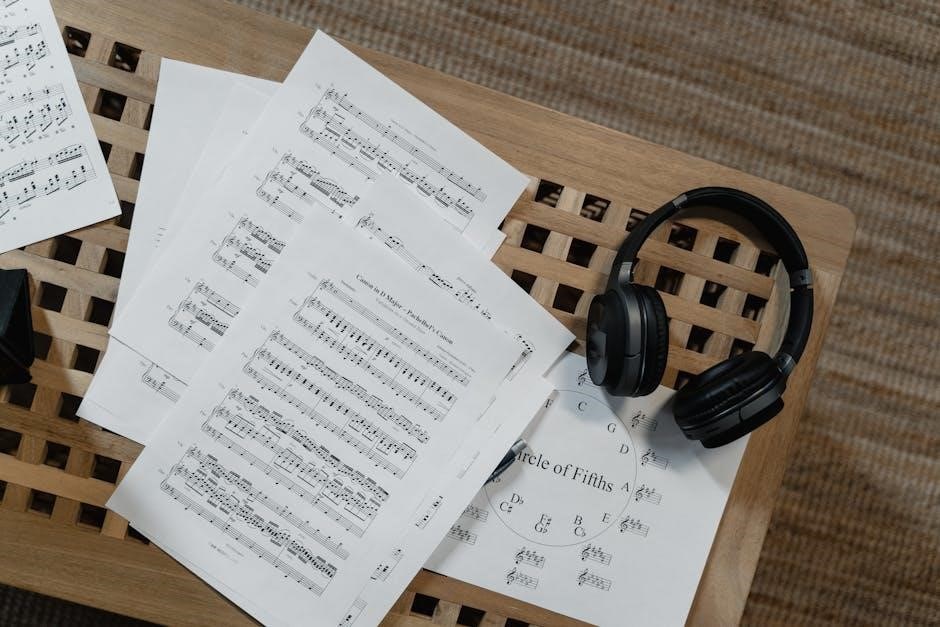
Decoding sheet music is essential for playing “Ave Maria” accurately․ Key signatures indicate sharps or flats, defining the tonal center․ Time signatures reveal the rhythmic structure, like 4/4 time․ Familiarity with treble and bass clefs is vital; treble for higher notes (often melody), bass for lower (accompaniment)․
Dynamics (p for piano, f for forte) control volume, while articulation marks (staccato, legato) shape phrasing․ Recognizing common symbols – rests, accidentals, repeats – unlocks the composer’s intentions․ Mastering these elements enhances musical interpretation․
Key Signatures and Time Signatures
Understanding key signatures is crucial when reading “Ave Maria” sheet music․ They indicate which notes are consistently sharp or flat throughout the piece, establishing the tonal center․ Commonly, you’ll encounter keys like C major (no sharps or flats) or related minor keys․
Time signatures define the rhythmic framework․ “Ave Maria” often appears in 4/4 time (four beats per measure), but variations exist․ The top number indicates beats, the bottom, the note value for each beat․ Correctly interpreting these unlocks the piece’s rhythmic pulse and flow․
Reading Treble and Bass Clef
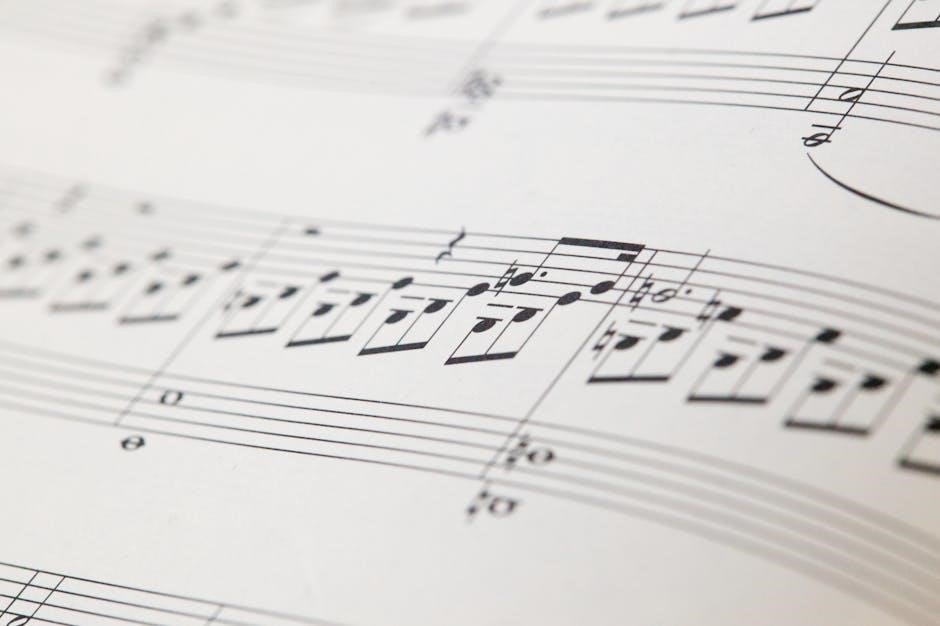
“Ave Maria” sheet music typically utilizes both treble and bass clefs․ The treble clef, often for the vocal line or higher piano parts, centers around notes like G, B, D, and F – “Good Boys Do Fine Always․” The bass clef, for lower piano accompaniment, uses notes like G, B, D, and F – “Good Boys Do Fine Always” but positioned differently on the staff․
Familiarity with these clefs is essential for accurate reading․ Recognizing note positions quickly translates to playing the correct pitches, bringing the beautiful melody of “Ave Maria” to life․
Dynamics and Articulation
“Ave Maria” sheet music employs dynamics – symbols indicating volume – to shape the emotional impact․ Piano (p) signifies soft playing, while forte (f) denotes loudness․ Gradual changes, like crescendo (increasing volume) and diminuendo (decreasing volume), add nuance․
Articulation marks guide how notes are played․ Legato indicates smooth, connected notes, crucial for the flowing melody․ Staccato suggests short, detached notes․ Mastering these elements elevates the performance, conveying the piece’s reverence and beauty when using a free PDF․
Common Musical Symbols in “Ave Maria”
When viewing a free “Ave Maria” PDF, several symbols are key․ Slurs connect notes for legato phrasing, while ties extend a note’s duration․ Fermatas ( ‟ ) indicate holding a note longer than its written value, adding expressive weight․
Repeat signs ( :||: ) instruct performers to replay sections․ Accidentals (sharps, flats, naturals) alter pitch․ Understanding these symbols, found in versions from IMSLP or MuseScore, unlocks accurate interpretation and enhances enjoyment of this beloved piece․
Copyright and Legal Considerations
Accessing free “Ave Maria” sheet music PDFs requires awareness of copyright․ Bach’s Prelude No․ 1, the foundation, is in the public domain, allowing free distribution of that element․ However, Gounod’s arrangement, adding the vocal line, has a more complex status․
Downloading from IMSLP is generally safe, as they focus on public domain works․ Ensure PDFs from other sources (like MuseScore) are legally shared․ Respecting copyright protects composers and encourages continued musical creation, even when enjoying free resources․
Public Domain Status of Bach’s Prelude
Johann Sebastian Bach’s Prelude No․ 1 in C Major is firmly within the public domain․ This means the original composition is free from copyright restrictions globally․ Consequently, anyone can legally download, print, and distribute sheet music of the prelude itself without seeking permission or paying royalties․
This open access is due to the passage of time – copyright terms have expired․ Numerous websites, including IMSLP, offer free PDF versions․ This foundational element of “Ave Maria” is readily available for musicians to enjoy and utilize in their performances and studies․
Copyright Status of Gounod’s Arrangement
Charles Gounod’s arrangement, adding the vocal melody to Bach’s Prelude, presents a more complex copyright situation․ While Bach’s original work is public domain, Gounod’s additions are subject to copyright laws․ However, Gounod’s arrangement is also now generally considered to be in the public domain due to the expiration of copyright terms․
This means that sheet music specifically displaying Gounod’s vocal line and harmonic additions can be freely distributed․ IMSLP confirms this status, offering free PDFs․ Despite this, always verify the specific source’s licensing terms to ensure compliance․
Legality of Downloading Free PDFs
Downloading free “Ave Maria” sheet music PDFs is generally legal when sourced from reputable websites offering public domain scores․ Sites like IMSLP (International Music Score Library Project) and MuseScore․com host legally free arrangements, as Bach’s Prelude is public domain and Gounod’s arrangement has also entered the public domain․
However, caution is advised․ Ensure the source isn’t distributing copyrighted material illegally․ Downloading from unofficial or questionable websites could infringe on copyright laws․ Always prioritize sources like MGE Coge, IMSLP, and MuseScore to ensure legal and ethical access to the music․
Tips for Printing “Ave Maria” Sheet Music
Printing “Ave Maria” sheet music requires attention to detail for optimal readability․ Use standard A4 or Letter paper size and select ‘portrait’ orientation within your PDF viewer․ Prioritize print quality settings – a medium to high resolution ensures clear notation․ Consider grayscale printing to conserve ink, as the score is primarily black and white․
For durability, bind the pages using a spiral binder or place them in a clear plastic folder․ This prevents damage and facilitates easy page turning during practice or performance․ Preview the print before finalizing to avoid cropping or alignment issues․
Paper Size and Orientation
When printing “Ave Maria” sheet music PDFs, selecting the correct paper size is crucial․ The standard options are A4 (210 x 297 mm) – commonly used internationally – or Letter size (8․5 x 11 inches) prevalent in North America․ Always verify the PDF’s intended size before printing to avoid scaling issues․
Orientation should invariably be ‘portrait’ mode․ This aligns with the typical layout of musical scores, presenting the music vertically․ Landscape orientation will result in a distorted and unreadable print․ Ensure your printer settings reflect these choices for a clear and accurate reproduction of the music․
Print Quality Settings
To ensure a readable “Ave Maria” sheet music PDF print, prioritize print quality settings․ Select “High Quality” or a similar option in your printer dialogue box․ This maximizes resolution, crucial for clearly displaying musical notation – notes, rests, and dynamic markings․ Avoid “Draft” or “Economy” modes, as they sacrifice detail․
Consider grayscale printing if color isn’t essential, saving ink․ However, ensure sufficient contrast for readability․ Experiment with different paper types; heavier weight paper generally yields sharper results․ Preview the print before committing to the full score to verify clarity and accuracy․
Binding or Folder Options
After printing your free “Ave Maria” sheet music PDF, consider preservation and ease of use․ For frequent practice, a three-hole punch and binder are practical, allowing page turns without damaging the sheets․ Alternatively, a clear plastic sheet protector within a folder safeguards against wear and tear, ideal for infrequent use or archival purposes․
Spiral binding offers a lay-flat experience, simplifying playing․ However, this is a more permanent solution․ Simple folding and securing with a clip is a temporary, cost-effective option․ Choose a method aligning with your usage frequency and desired level of protection․
Software for Viewing and Editing PDFs
Accessing your downloaded “Ave Maria” sheet music PDFs requires suitable software․ Adobe Acrobat Reader is a widely used, free option for viewing, printing, and basic annotation․ Foxit Reader presents a lightweight alternative with similar functionalities․ For more advanced editing – like marking up fingerings or dynamics – consider online PDF editors․
These web-based tools often offer features beyond basic viewing, though some may require subscriptions․ Ensure the software supports high-resolution display for clear notation․ Compatibility is key for a seamless musical experience with your free sheet music․
Adobe Acrobat Reader
Adobe Acrobat Reader is a cornerstone for viewing “Ave Maria” sheet music PDFs․ This free software provides reliable PDF display, ensuring accurate notation rendering for a positive musical experience․ It supports zooming, printing, and basic annotation features, allowing you to mark sections or add practice notes directly onto the sheet music․
Widely compatible across operating systems, Acrobat Reader is a dependable choice for musicians accessing free online scores․ While advanced editing requires the paid Adobe Acrobat Pro, the Reader version is perfectly sufficient for viewing and printing your “Ave Maria” music․
Foxit Reader
Foxit Reader presents a compelling alternative to Adobe Acrobat Reader for accessing free “Ave Maria” sheet music PDFs․ This lightweight PDF viewer offers a fast and responsive experience, efficiently handling complex musical scores without significant system strain․ It boasts a similar feature set to Acrobat Reader, including zoom capabilities, printing options, and annotation tools for marking musical passages․
Foxit Reader’s intuitive interface makes it user-friendly for musicians of all levels․ It’s a solid choice for reliably viewing and printing your downloaded “Ave Maria” sheet music, ensuring a clear and accurate representation of the notes․
Online PDF Editors
Several online PDF editors can enhance your experience with free “Ave Maria” sheet music PDFs․ These web-based tools allow for basic editing tasks directly within your browser, eliminating the need for dedicated software installation․ Common functionalities include highlighting, adding text annotations, and even filling out forms if the sheet music contains interactive elements․
While not ideal for extensive musical arrangement, these editors are useful for personalizing your downloaded scores․ They’re convenient for marking fingerings, dynamics, or practice notes on your “Ave Maria” sheet music, improving your learning process․
Resources for Learning to Play “Ave Maria”
Beyond accessing the sheet music PDF, numerous resources can aid in learning to play “Ave Maria”․ Online piano tutorials on platforms like YouTube offer step-by-step guidance, often breaking down the piece into manageable sections․ These visual aids are invaluable for beginners․
For vocalists, seeking vocal coaching resources is beneficial․ Many instructors offer online lessons focusing on proper technique and interpretation․ Sheet music learning apps, though not specifically mentioned in provided sources, can also assist with practice and memorization, enhancing your musical journey with this beautiful piece․

Online Piano Tutorials
Numerous online piano tutorials are readily available to assist in learning “Ave Maria”․ YouTube is a vast repository, offering lessons from various instructors, catering to different skill levels․ These tutorials often provide a visual breakdown of the sheet music, demonstrating finger placements and rhythmic patterns․
Many instructors focus on simplifying complex passages, making the piece more accessible to beginners․ Searching for “Ave Maria piano tutorial” yields a wealth of options․ Supplementing sheet music PDFs with these visual guides significantly accelerates the learning process, allowing aspiring pianists to master this iconic melody․
Vocal Coaching Resources
For singers utilizing “Ave Maria” sheet music PDFs, vocal coaching resources are invaluable․ Online platforms offer lessons focusing on breath control, phrasing, and proper vocal technique essential for this piece’s lyrical beauty; YouTube channels dedicated to vocal instruction provide targeted exercises to improve range and tone․
Seeking guidance on interpreting the emotional depth of the melody is crucial․ Many coaches specialize in classical repertoire, offering insights into stylistic nuances․ Combining sheet music study with vocal training ensures a polished and expressive performance, honoring the piece’s spiritual significance․
Sheet Music Learning Apps
Numerous apps complement free “Ave Maria” sheet music PDFs, enhancing the learning experience․ Apps like Flowkey and Simply Piano offer interactive lessons, guiding users through the notes and rhythms․ These platforms often feature listening tools, allowing musicians to hear correct pronunciations and phrasing․ Some apps provide feedback on timing and accuracy, accelerating progress․
For vocalists, apps focusing on pitch training are beneficial․ Utilizing these tools alongside downloaded PDFs creates a comprehensive learning environment․ Gamified lessons and progress tracking motivate consistent practice, ultimately improving performance of this beautiful piece․
“Ave Maria” continues to captivate audiences with its serene beauty and spiritual depth․ Accessing free sheet music PDFs, through resources like IMSLP, MuseScore, and MGE Coge, democratizes musical learning․ Whether a seasoned pianist or a novice vocalist, the availability of these resources empowers anyone to engage with this timeless classic․
The combination of readily available scores and online learning tools fosters a vibrant musical community․ Embrace the opportunity to explore different arrangements and interpretations, enriching your appreciation for “Ave Maria’s” enduring legacy․ Enjoy the music!
The Enduring Popularity of “Ave Maria”
“Ave Maria’s” lasting appeal stems from its melodic simplicity and profound emotional resonance․ Originally based on Bach’s Prelude No․ 1, Gounod’s addition of a vocal line elevated it to iconic status․ The piece transcends cultural and religious boundaries, offering solace and inspiration to listeners worldwide․
The ease of accessing free sheet music PDFs further contributes to its continued performance and study․ Musicians of all levels can now readily explore and interpret this masterpiece, ensuring its legacy endures for generations․ Its beauty remains timeless and universally cherished․
Accessing and Enjoying the Music
Finding “Ave Maria” sheet music PDFs is remarkably straightforward thanks to resources like IMSLP, MuseScore, and MGE Coge․ These platforms offer various arrangements – solo piano, voice and piano, and versions with chords – catering to diverse skill levels․ Printing high-quality PDFs ensures a clear and readable score for practice and performance․
Beyond simply obtaining the music, consider exploring online tutorials and vocal coaching resources to enhance your interpretation․ Immerse yourself in the piece’s history and emotional depth, allowing its beauty to truly resonate․ Enjoy the journey of learning and performing this timeless classic!