Brooks Range Mini Guide: An Overview
Embark on an Alaskan adventure! The Brooks Range offers incredible opportunities, even for families; a Moscow child, aged eight, successfully hiked with minimal prior experience.
Welcome to the northernmost mountain range in North America! The Brooks Range, a majestic and remote wilderness, stretches across northern Alaska, offering an unparalleled experience for adventurers and nature enthusiasts. This vast region, largely untouched by modern development, presents a unique opportunity to connect with the raw beauty of the Arctic.
Recent accounts highlight the accessibility of certain trails, even for younger adventurers. A family’s experience demonstrates that a child from Moscow, eight years old and weighing approximately 25 kg, successfully completed a hike with no prior mountaineering experience. This inspiring story underscores the potential for families to explore this incredible landscape with proper preparation and support.
The Brooks Range isn’t just about challenging climbs; it’s about immersing yourself in a pristine environment, witnessing incredible wildlife, and experiencing the solitude of the Alaskan wilderness. It’s a destination that promises unforgettable memories and a profound appreciation for the natural world.
Geographical Location and Size
Spanning over 700 miles (1,127 kilometers), the Brooks Range forms a formidable arc across northern Alaska, extending from the Chukchi Sea in the northwest to the Canadian border in the northeast. This significant geographical feature acts as a natural divide between the Arctic Slope and the interior regions of Alaska. Its location places it firmly within the Arctic Circle, contributing to its unique climate and landscape.
The range’s vastness encompasses approximately 70,000 square miles (181,000 square kilometers), encompassing a diverse array of terrains, from rugged peaks and deep valleys to expansive tundra and glacial formations. Accessibility to the trails, as demonstrated by recent hiker experiences, often requires transportation to the trailhead, highlighting the remote nature of the region.
The Brooks Range’s sheer size and northern latitude create a challenging yet rewarding environment for exploration, offering a truly wild and untamed experience for those willing to venture into its depths.
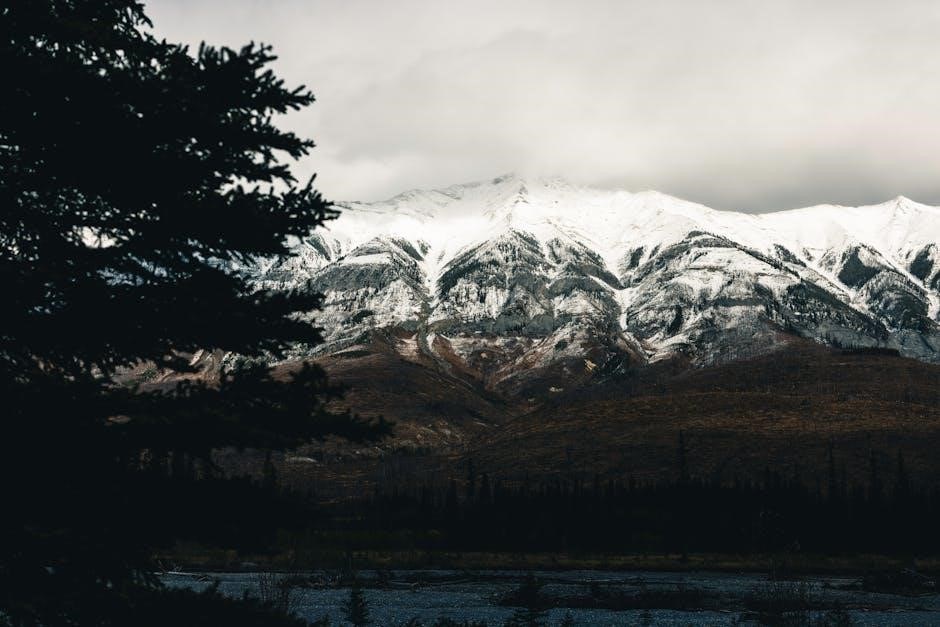
Planning Your Trip
Careful preparation is key! Consider transportation to trailheads, as access often requires a vehicle. Successful family hikes demonstrate preparedness is vital for all ages.
Best Time to Visit the Brooks Range
Timing is crucial for a rewarding Brooks Range experience. The short Arctic summer, generally from mid-June to late August, presents the most favorable conditions. During these months, temperatures are milder, daylight hours are extended, and snowmelt has typically subsided, opening up trails for hiking and backpacking.
However, even in summer, the weather can be unpredictable and change rapidly. Be prepared for cool temperatures, rain, and even snow at higher elevations. July often offers the warmest and driest conditions, making it a popular choice for visitors.
September can be beautiful with fall foliage, but it also brings increased chances of early snowfall and colder temperatures. Visiting outside of the summer window is generally not recommended due to extreme cold, limited daylight, and challenging travel conditions. Careful consideration of these factors will ensure a safe and enjoyable trip to this remote wilderness.
Permits and Regulations
Planning ahead regarding permits is essential for a Brooks Range expedition. Much of the range falls within the Gates of the Arctic National Park and Preserve, requiring backcountry permits for overnight stays. These permits are free but mandatory, and can be obtained online through the National Park Service website well in advance of your trip.
Specific regulations apply to camping, campfires, and group size. Familiarize yourself with Leave No Trace principles to minimize your impact on this pristine environment. Hunting and fishing require appropriate Alaska state licenses and adherence to specific regulations regarding species and seasons.
Furthermore, be aware of potential restrictions related to aircraft landings, as access is often via bush plane. Always check for any fire bans or emergency closures before your departure. Respecting these regulations ensures the preservation of the Brooks Range’s wild character for future generations.
Getting to the Brooks Range: Transportation Options
Accessing the Brooks Range presents a logistical challenge, demanding careful planning. Due to the remote nature of the area, there are no roads directly leading into the heart of the range. The most common method of transportation is via bush plane from Fairbanks or other interior Alaskan towns. Several air taxi services specialize in Brooks Range access, offering both scheduled and chartered flights.
Another option, though more time-consuming, is the Dalton Highway (also known as the Haul Road), which runs parallel to the pipeline. This gravel road provides limited access to some trailheads, but requires a suitable vehicle and preparedness for challenging driving conditions.
Finally, some individuals opt for a combination of air travel and hiking, flying into a nearby location and then trekking into the range. Regardless of your chosen method, booking transportation well in advance is highly recommended, especially during peak season.
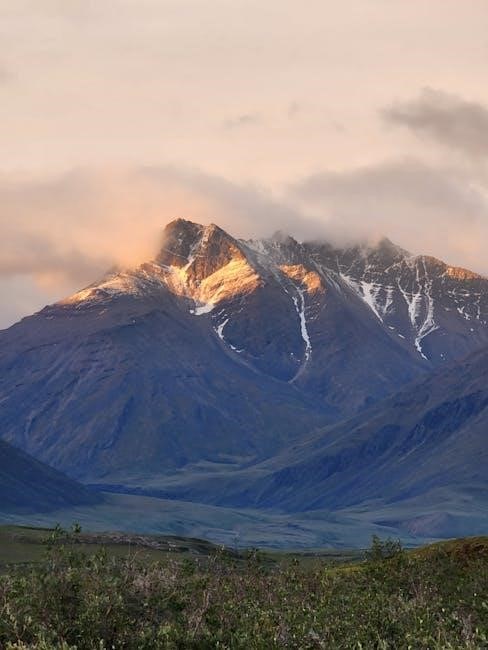
Exploring the Landscape
Discover a pristine wilderness! The Brooks Range boasts dramatic peaks, winding rivers, and expansive glaciers, offering breathtaking views and unparalleled opportunities for exploration and adventure.
Major Mountain Peaks
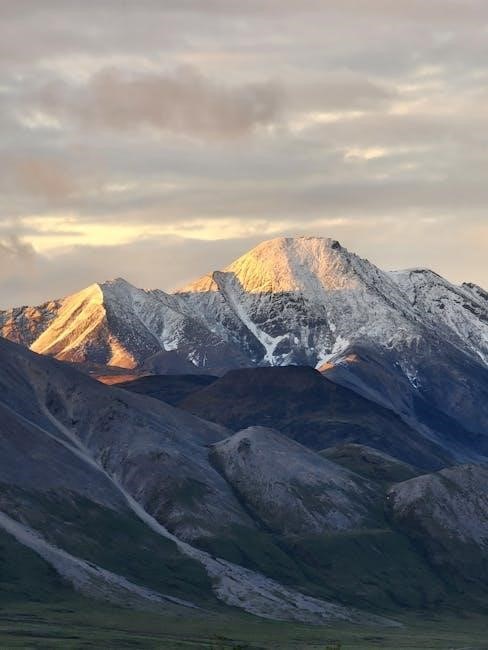
Dominating the skyline, the Brooks Range features a stunning array of majestic mountain peaks, each presenting unique challenges and rewards for experienced mountaineers. While specific peak details weren’t provided, the range is renowned for its rugged, remote character, attracting those seeking true wilderness experiences.
These mountains are not merely geological formations; they are the heart of the Brooks Range, shaping its climate, influencing its ecosystems, and providing a dramatic backdrop for all adventures. The sheer scale and isolation of these peaks contribute to the range’s untamed beauty.
Ascending these mountains requires significant preparation, skill, and respect for the environment. The unpredictable weather and challenging terrain demand careful planning and a thorough understanding of mountaineering techniques. Remember, even seemingly accessible slopes can quickly become treacherous.
Exploring the foothills and lower elevations offers equally rewarding experiences for hikers and backpackers, providing stunning views of the higher peaks and access to pristine alpine meadows.
Rivers and Waterways
A network of lifeblood, the Brooks Range is intricately woven with a vast system of rivers and waterways, essential for both the ecosystem and potential adventurers. These rivers, originating from glacial melt and snow runoff, carve their paths through the rugged landscape, creating breathtaking canyons and fertile valleys.
These waterways aren’t just scenic features; they serve as crucial transportation corridors for wildlife and historically for indigenous communities. They offer exceptional opportunities for float trips, kayaking, and rafting, though these activities demand expertise due to swift currents and remote locations.
The clarity of the water is remarkable, reflecting the pristine nature of the surrounding environment. Fishing in these rivers is a popular activity, attracting anglers seeking Arctic char, grayling, and other native species. Remember to adhere to all fishing regulations and practice responsible catch-and-release techniques.
Respecting these delicate ecosystems is paramount; minimizing impact and avoiding pollution are crucial for preserving their beauty and health for future generations.
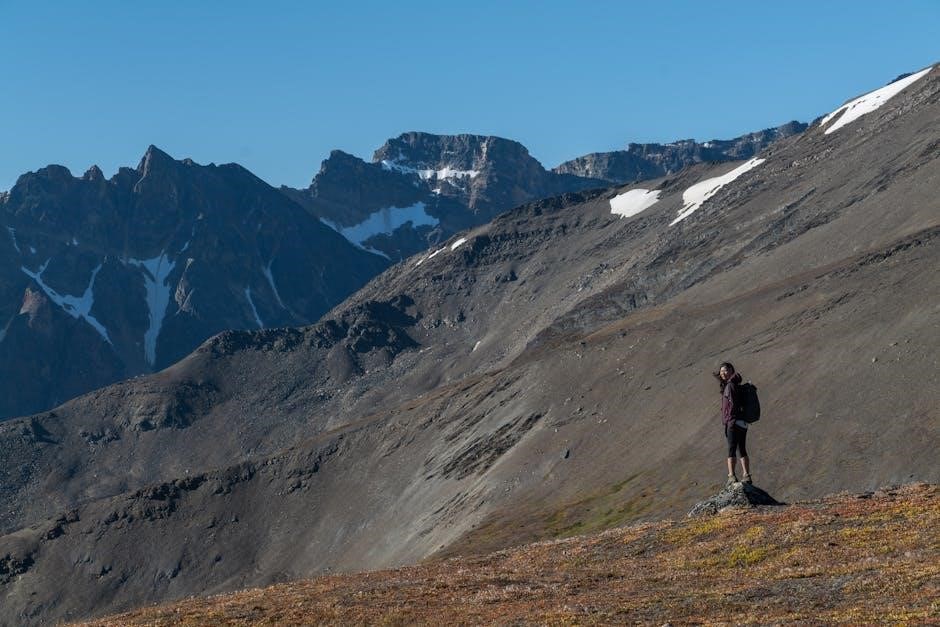
Glaciers and Ice Fields
Sculptors of the landscape, the Brooks Range harbors stunning glaciers and expansive ice fields, remnants of past ice ages that continue to shape the terrain. These icy giants are a defining feature of the region, contributing to the dramatic peaks, deep valleys, and pristine river systems.
While accessibility to the glaciers can be challenging due to their remote locations and rugged surrounding terrain, witnessing their scale and beauty is a truly awe-inspiring experience. Observing the glacial features – crevasses, moraines, and icefalls – provides a glimpse into the powerful forces of nature.
These glaciers are sensitive indicators of climate change, and their ongoing retreat is a visible consequence of warming temperatures. Exploring these icy realms requires careful planning, appropriate gear, and a deep respect for the inherent dangers of glacial environments.
Remember to prioritize safety and consider guided tours with experienced professionals for a secure and informative exploration of these magnificent ice formations.
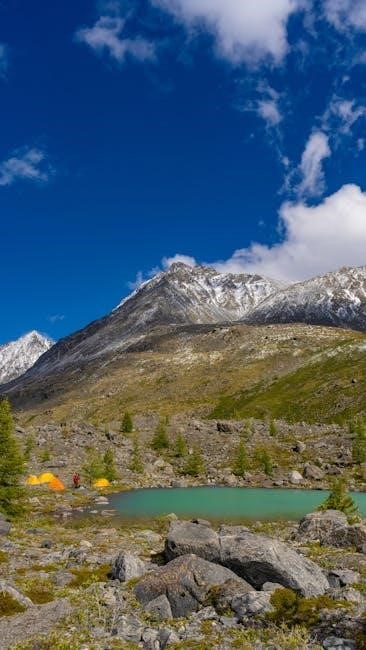
Activities and Adventures
Unleash your inner explorer! The Brooks Range beckons with diverse pursuits – backpacking, hiking, wildlife viewing, fishing, and capturing breathtaking photography amidst stunning scenery.
Backpacking and Hiking Trails
Immerse yourself in the wilderness! The Brooks Range presents a spectrum of backpacking and hiking trails, catering to varied skill levels and ambitions. From gentle day hikes to multi-day expeditions, opportunities abound to connect with nature’s grandeur. Consider the logistical challenges; access to trailheads often requires pre-arranged transportation, as highlighted by experiences where hikers were driven to the starting point.
Families, even those with young children, can find suitable trails, as evidenced by a successful ascent with an eight-year-old from Moscow, demonstrating that prior mountaineering experience isn’t always essential. However, careful planning is paramount. Assess your group’s fitness, pack appropriately for unpredictable weather, and be prepared for self-sufficiency. Remember, the remoteness of the Brooks Range demands respect and thorough preparation. Explore established routes, consult detailed maps, and inform someone of your itinerary before venturing into the backcountry. The rewards – pristine landscapes and unforgettable experiences – are well worth the effort!
Wildlife Viewing Opportunities
Witness Alaska’s incredible fauna! The Brooks Range is a haven for diverse wildlife, offering exceptional viewing opportunities for patient and respectful observers. While specific sightings aren’t guaranteed, the region is known to harbor bears, wolves, caribou, Dall sheep, and a variety of bird species. Remember that encountering wildlife requires caution and adherence to safety guidelines – detailed elsewhere in this guide.
The remoteness of the area contributes to a more natural and undisturbed environment, increasing the chances of observing animals in their native habitat. Bring binoculars and a telephoto lens for optimal viewing, and maintain a safe distance at all times. Be mindful of your surroundings and make noise while hiking to avoid surprising any creatures. The Brooks Range provides a unique chance to connect with Alaska’s wild side, but responsible wildlife viewing is crucial for both your safety and the well-being of the animals themselves. Prepare for an unforgettable experience!
Fishing in the Brooks Range
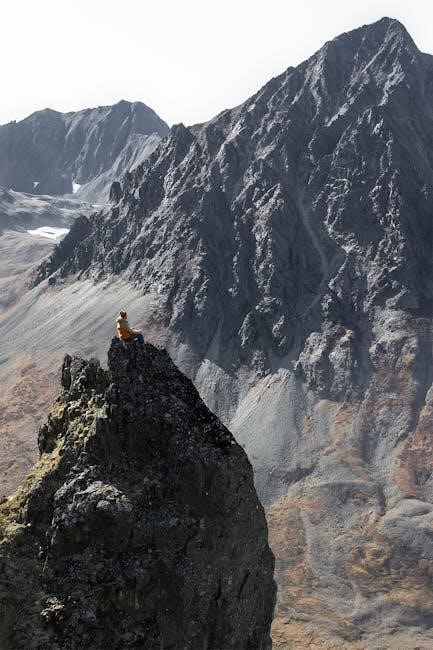
Angling in the Alaskan Wilderness! The Brooks Range boasts pristine rivers and lakes teeming with fish, offering a rewarding experience for anglers. Grayling and Arctic char are particularly abundant, providing exciting opportunities for catch-and-release fishing. Remember to check and adhere to all Alaska Department of Fish and Game regulations regarding licenses, seasons, and catch limits before casting a line.
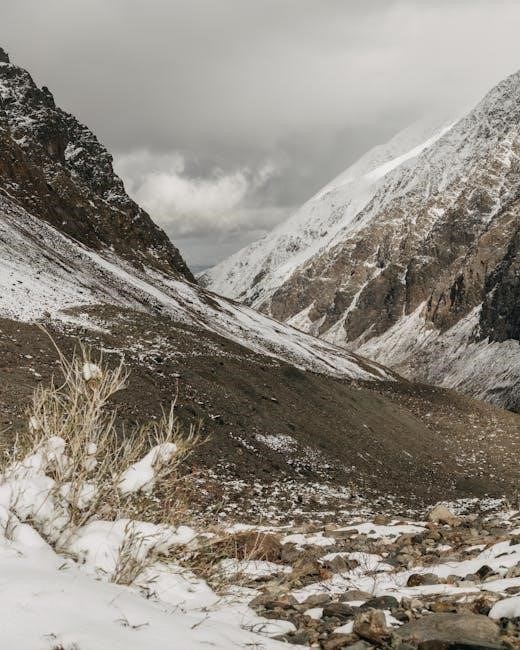
Fly fishing is a popular method, but spin fishing can also be effective. The remote nature of the area means you’ll likely enjoy solitude and untouched landscapes while pursuing your angling passion. Be prepared for varying water conditions and potential challenges posed by the rugged terrain. Proper gear, including waders and bear spray, is essential. Respect the environment and practice Leave No Trace principles to preserve this incredible fishery for future generations. A successful fishing trip in the Brooks Range requires planning, preparation, and a deep appreciation for the Alaskan wilderness.
Photography and Scenic Views
Capturing Alaska’s Majesty! The Brooks Range presents unparalleled photographic opportunities, showcasing dramatic landscapes and breathtaking vistas. From towering peaks and expansive glaciers to vibrant tundra and winding rivers, every angle offers a postcard-worthy scene. The golden hour, just after sunrise and before sunset, provides the most stunning light for capturing the range’s beauty.
Wide-angle lenses are ideal for encompassing the vastness of the scenery, while telephoto lenses allow you to focus on distant wildlife or intricate details. Don’t forget to pack extra batteries and memory cards, as you’ll be constantly reaching for your camera. Be patient and observant, as weather conditions can change rapidly, creating unique and dramatic effects. Beyond photography, simply taking time to soak in the panoramic views is a rewarding experience. The Brooks Range offers a visual feast that will leave you with lasting memories and a profound appreciation for the Alaskan wilderness.
Safety and Preparedness
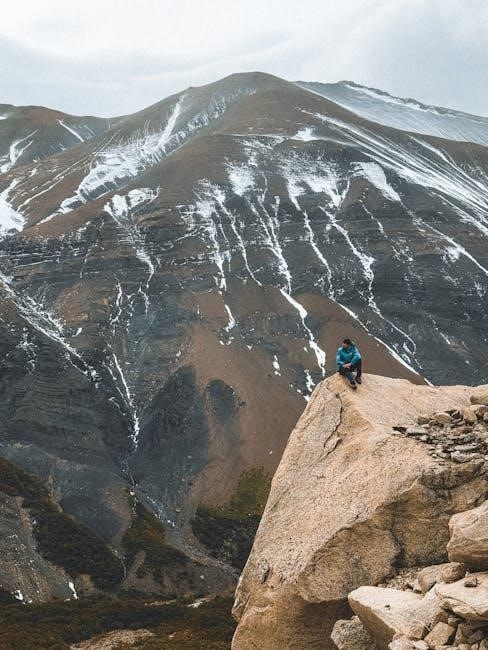
Prioritize caution! The Alaskan wilderness demands respect; be aware of wildlife, fluctuating weather, and remote conditions. Thorough preparation is crucial for a safe journey.
Wildlife Safety: Bears, Wolves, and More
Navigating the Brooks Range requires diligent wildlife awareness. Brown and black bears are prevalent, demanding strict food storage protocols – utilize bear-resistant canisters or hang food properly. Always make noise while hiking to avoid surprising bears, and carry bear spray readily accessible, knowing how to deploy it effectively.
Wolves, though less frequently encountered, also inhabit the region. Maintain distance and never approach them. Moose can be surprisingly aggressive, particularly during mating season or when protecting calves; give them ample space. Smaller mammals, like foxes and wolverines, may be curious about food, so secure all belongings.
Be mindful of raptors protecting their nests. Report any aggressive wildlife encounters to park authorities. Understanding animal behavior and practicing preventative measures are paramount for a safe and respectful experience within this pristine ecosystem. Remember, you are a visitor in their home.
Weather Considerations and Packing List
The Brooks Range experiences highly variable and often unpredictable weather. Even during summer months, temperatures can plummet, and rain or snow are possible at any elevation. Layering is crucial – pack moisture-wicking base layers, insulating mid-layers (fleece or down), and a waterproof, windproof outer shell.
Essential items include sturdy hiking boots, warm socks, a hat, gloves, and sunglasses. Sun protection is vital, even on cloudy days, due to the high altitude and reflective snow/ice. A comprehensive first-aid kit, including blister treatment, is non-negotiable.
Bring a headlamp or flashlight with extra batteries, a map and compass (and know how to use them!), and sufficient food and water. Insect repellent is highly recommended. Consider trekking poles for stability on uneven terrain. Prepare for all conditions – being overprepared is far better than being caught off guard.
Navigation and Communication
Reliable navigation is paramount in the remote Brooks Range. GPS devices are helpful, but should not be solely relied upon; batteries can fail, and signal coverage is spotty at best. A topographic map and compass, coupled with proficient map-reading skills, are essential backups. Practice using these tools before your trip.
Communication options are limited. Cell phone service is virtually nonexistent throughout most of the range. Satellite communicators (like Garmin inReach or SPOT) are highly recommended for emergencies and for checking in with loved ones. These devices allow for two-way messaging and SOS signaling.
Inform someone of your itinerary and expected return date. Consider carrying a personal locator beacon (PLB) as a last resort for emergency situations. Be aware of your surroundings and regularly check your position to avoid getting lost.
Accommodation and Resources
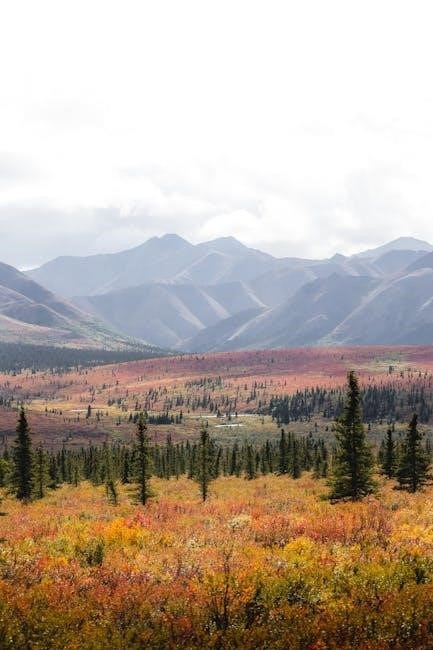
Plan for self-sufficiency! Options range from remote camping to limited lodging and guided tours. Accessing useful websites and detailed maps is crucial for preparation.
Camping Options
Remote Wilderness Camping: The Brooks Range primarily offers a backcountry camping experience. Established campgrounds are scarce, demanding self-reliance and Leave No Trace principles. Be prepared to carry all necessary gear, including a robust tent, sleeping bag rated for freezing temperatures, cooking supplies, and ample food.
Dispersed Camping: Dispersed camping is permitted throughout much of the range, allowing for greater solitude. However, selecting a suitable campsite requires careful consideration of terrain, water sources, and potential hazards like wildlife corridors. Always camp at least 200 feet away from water sources.
Backcountry Considerations: Expect challenging conditions. Weather can change rapidly, and river crossings can be dangerous. Proper planning, including detailed route maps and communication devices, is essential. Bear-resistant canisters are strongly recommended for food storage to protect both yourself and the bears.
Minimal Facilities: Do not expect any amenities. There are no restrooms, potable water sources, or trash disposal facilities. Pack out everything you pack in, and be prepared to manage human waste responsibly.
Lodging and Guided Tours
Limited Lodging Options: Traditional lodging within the Brooks Range is extremely limited. The vastness and remoteness of the area mean hotels and resorts are virtually nonexistent. Visitors primarily rely on backcountry camping for accommodation, demanding significant self-sufficiency.
Gateway Communities: Several gateway communities outside the range, such as Coldfoot and Wiseman, offer basic lodging options like small lodges, cabins, and bed-and-breakfasts. These provide a more comfortable base for exploring nearby areas.
Guided Tours: For those lacking extensive backcountry experience, guided tours are highly recommended. Several reputable tour operators offer backpacking, hiking, and wildlife viewing expeditions led by experienced guides. These tours handle logistics, safety, and provide valuable local knowledge.
Fly-In Options: Some operators offer fly-in trips, accessing remote areas of the Brooks Range not easily reachable by ground transportation. These provide unique opportunities for experiencing the wilderness, but come at a higher cost.
Useful Websites and Maps
Essential Resources for Planning: Thorough preparation is crucial for a Brooks Range expedition. Several online resources provide valuable information regarding permits, regulations, weather conditions, and trail details. The National Park Service website (nps.gov) offers comprehensive details about the Gates of the Arctic National Park and Preserve, encompassing a large portion of the range.
BLM Alaska Website: The Bureau of Land Management (BLM) Alaska website (blm.gov/alaska) provides information about land management, access, and recreational opportunities in areas managed by the BLM within the Brooks Range.
Detailed Mapping: Reliable topographic maps are essential for navigation. USGS (United States Geological Survey) maps are highly recommended, offering detailed terrain information. Digital mapping apps and GPS devices can supplement traditional maps.
Tripadvisor Forums: Online forums like Tripadvisor (tripadvisor.com) can provide firsthand accounts and advice from other travelers who have explored the Brooks Range, offering valuable insights and tips.